
আরও দেখুন


 03.11.2026 03:44 PM
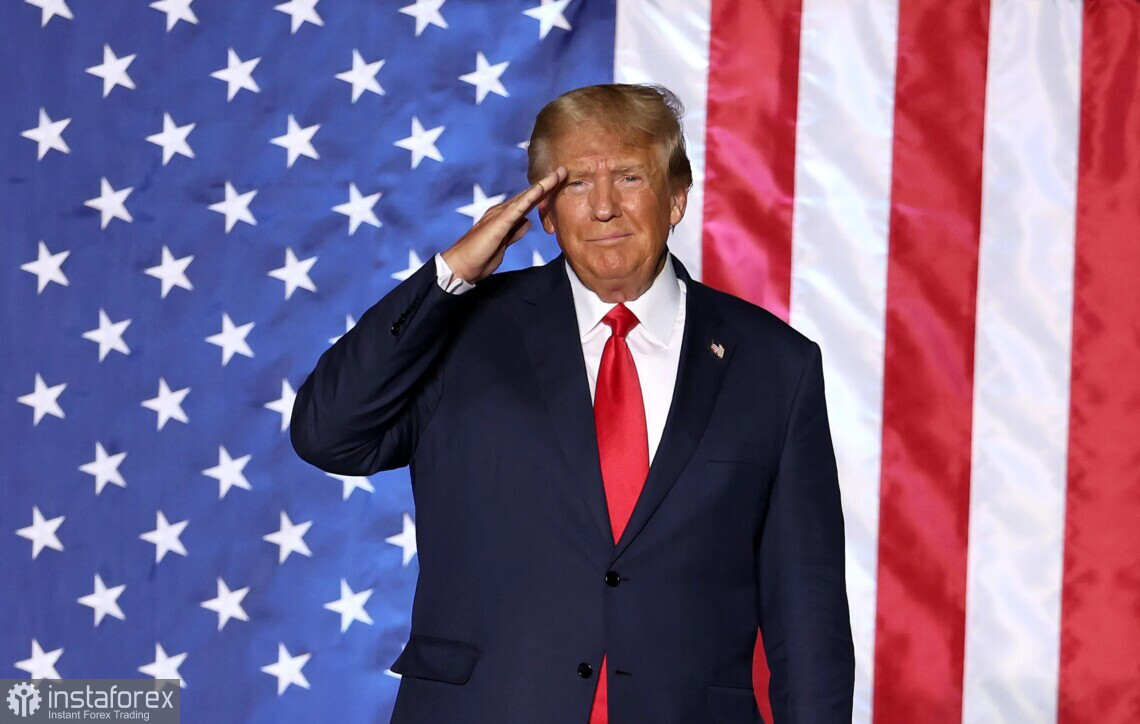
Yesterday offered many market participants a ray of hope. Both Donald Trump and senior U.S. officials—and even senior figures in Tehran—said they were prepared to resume diplomacy to avert an escalation. Oil promptly fell to $108 a barrel. Yet today it emerged that the U.S. has been carrying out covert strikes on Iranian territory. On Monday the island of Qeshm was attacked, and U.S. officials say this was far from the first secret U.S. military strike on Iran in recent times.
Trump himself, who comments on the Middle East at least five times a day, said that the United States is not at war with Iran because America has already long since won. Sources also say U.S. naval strikes are defensive and aimed at preventing new attacks on commercial vessels in the Strait of Hormuz. Accordingly, Washington continues military actions in full secrecy to avoid worsening the Republican position immediately before the elections. Does anyone believe that talks will begin once the vote is over?
I will note that Iran is broadly prepared for renewed escalation and capable of striking U.S. bases and allies even outside the Middle East. Trump is unlikely to be overly worried by this, so any new escalation is unlikely to be soft or painless. In my view, Tehran spent recent months preparing for a new war, so fresh U.S. attacks on Iran could trigger fighting in regions not previously involved. By and large, we are already talking about a likely widening of the conflict's geography. For example, Iran could strike U.S. military bases in Europe. What will the EU do if Iranian strikes effectively constitute an attack?
Recall that Trump repeatedly demanded European support in confronting Iran. Therefore, drawing the EU into open conflict could be one of the U.S. leaders' objectives. The president does not want to fight Iran alone and understands that the more countries join America, the faster Tehran will fall. Trump would undoubtedly credit himself with victory over Iran and add it to his "completed wars" record. In my view, escalation is inevitable.
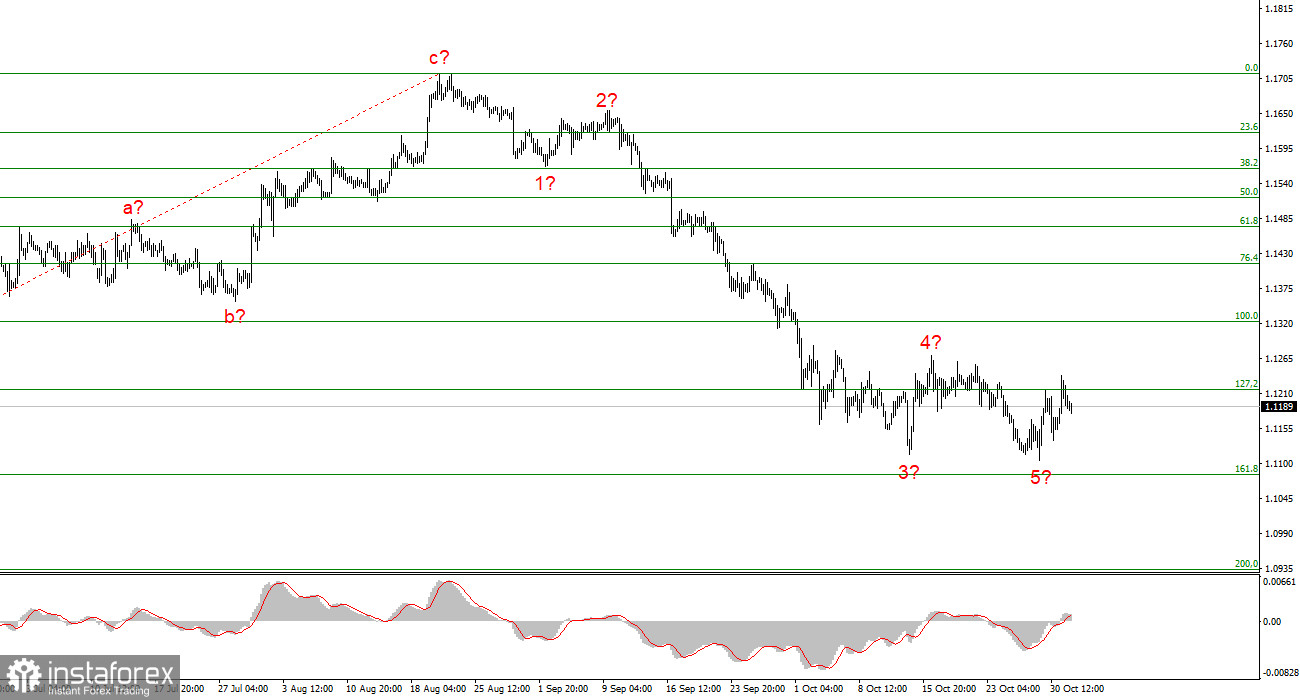
Wave structure for EUR/USD:
Based on my EUR/USD analysis, I conclude the instrument remains within a global corrective A-B-C-D-E trend segment. However, this structure appears complete and may be finished. I believe the current moment is a good time not only to buy the European currency but also to expect a full bullish trend segment. On the higher timeframe, one should expect a rise of at least 1,700–1,800 pips. An unsuccessful attempt to break 1.1126, which corresponds to 50.0% on Fibonacci (lower chart, higher timeframe), also signals market readiness to buy.
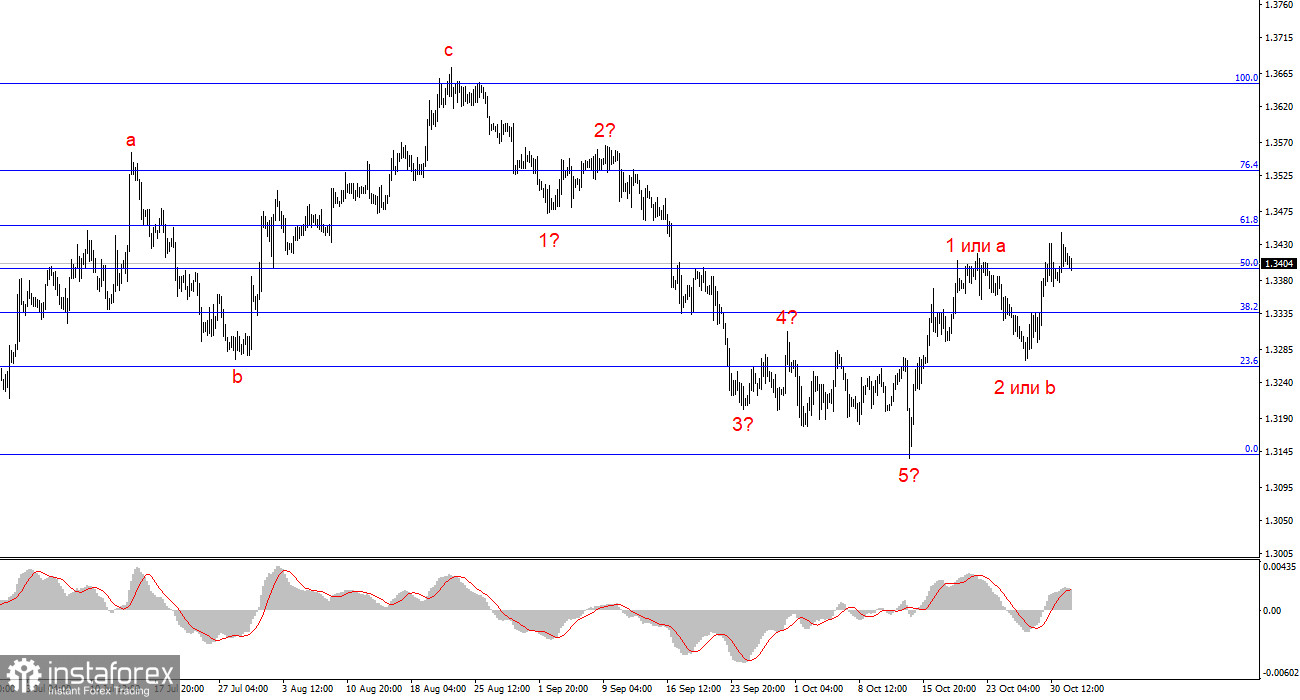
Wave structure for GBP/USD:
The wave picture for GBP/USD has become fairly clear. Charts show a distinct corrective A-B-C-D-E structure that may be complete. A similar structure for EUR/USD may also be complete. If that assumption is correct, sterling has finished its decline and has begun building a bullish trend segment whose targets lie above the peaks of waves B and D—that is, above the 3,700-pip level. Two waves of the initial wave of the new bullish segment are already formed. Consequently, the advance may continue toward targets near 1.3531 and 1.3651, which correspond to 76.4% and 100.0% on Fibonacci.
Key principles of my analysis:
1) Wave structures should be simple and understandable. Complex structures are hard to trade and often change.
2) If you are not confident about market developments, it is better not to enter.
3) There is no such thing as 100% certainty in direction; do not forget stop-loss protective orders.
4) Wave analysis can be combined with other types of analysis and trading strategies.


