
यह भी देखें


 27.08.2026 03:51 PM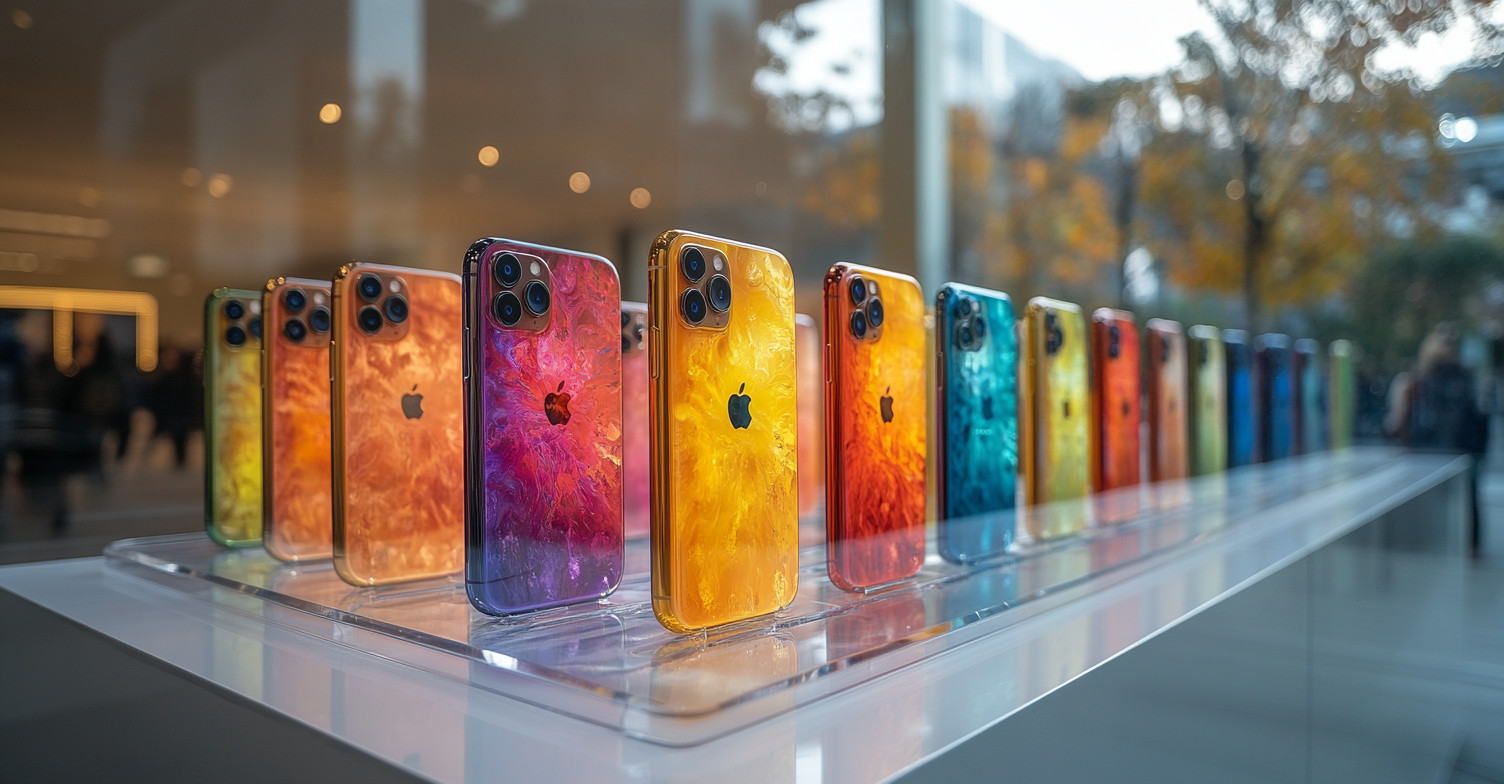
The base iPhone 17 unequivocally retains the title of the world's best-selling smartphone, accounting for 6% of all global sales.
The second quarter of 2026 proved to be a true test for the global mobile industry. Global smartphone shipments plummeted by 11%, setting a new record low for summer months since 2013. However, amidst this bleak statistics, there is one bright winner who has turned the crisis to its advantage.
According to fresh data from analytics giant Counterpoint Research, published on August 26, the base iPhone 17 unequivocally holds the title of the world's best-selling smartphone. It accounted for 6% of all global sales. But most importantly, Apple has completely occupied the winner's podium. The second and third places were taken by its older brothers: the iPhone 17 Pro Max and the iPhone 17 Pro, securing Tim Cook's company a clean victory in the top three.
The only challenger to Apple's hegemony was the Samsung Galaxy S26 Ultra. The flagship took an honorable fourth place, marking a significant breakthrough. For the first time in history, a super-premium Android smartphone led sales in its category during the June quarter. Compared to last year, when its predecessor, the Galaxy S25 Ultra, only ranked ninth, the new model jumped five spots.
Harshit Rastogi, a senior analyst at Counterpoint, notes that the secret to success lies in the fortunate timing: the later release allowed for the bulk of sales to occur precisely in the second quarter. Additionally, Samsung focused on aggressive promotion of its flagships to protect margins amid rising component costs.
Memory shortages and the shift to premium
Why does the market decline while flagships sell better? The answer lies in the global shortage of RAM. The chip shortage has driven component prices up, hitting the budget and mid-range segments the hardest. Manufacturers have been forced to reallocate resources in favor of the most expensive and profitable models.
The outcome is predictable: Apple and Samsung took five spots each in the top 10. Together, they accounted for 26% of global sales—an absolute record for the second quarters and a 2% growth compared to last year. The market is contracting, but the "billionaire club" is becoming wealthier.
Apple's triumph: fewer phones, more money
Apple's financial triumphs look even more impressive against the backdrop of the overall decline. The company grew its unit sales by 5%. Notably, markets in India, Japan, and the META region (Middle East, Turkey, and Africa) performed exceptionally well. In South Korea, where local brands typically dominate, iPhone sales nearly doubled thanks to the 17th series.
"Apple managed to increase sales despite the market's downward trend ," emphasizes senior analyst Karn Chauhan. This decline has only strengthened the Cupertino company's financial dominance: with a share of 23% of total shipments, Apple accounts for a colossal 49% of all global revenue from smartphone sales.
Long-lifers and pragmatists: who else made it to the elite
Who else made it into the global sales elite? The iPhone 17e took seventh place. The secret to its popularity is simple: Apple added MagSafe support and increased memory capacity while wisely keeping the price unchanged.
Rounding out the top ten is last year's hit—the iPhone 16—proving that base models from previous years remain in demand.
Samsung also secured three spots in the top ten, all going to the affordable Galaxy A series. Buyers have become more pragmatic: people are changing phones less frequently, so long-term support has become a key factor in their choice. The guarantee of six or more years of software updates played a decisive role for buyers of more budget-friendly models.
In summary, the second quarter of 2026 clearly marked a new direction for the mobile industry. The era of affordable novelties is a thing of the past. Now, ultra-profitable flagships reign, and those who can sell not just "hardware" but long-term experiences, status, and reliability will survive.

