
Lihat juga


 17.04.2026 08:29 AM
The euro, pound, and other risk assets continued to correct against the U.S. dollar, as the relatively normal and calm situation in the Middle East shifted the focus back to fundamental data. Positive data on the weekly rise in U.S. jobless claims and the reduction of geopolitical tensions in the Middle East provided a direct reason to sell risk assets and buy the U.S. dollar. This reflects a change in overall market sentiment, which had leaned toward selling the American currency in recent days. Despite a temporary decrease in tensions in the Middle East, long-term risks remain. The markets are closely monitoring developments, but immediate concerns over sharp increases in energy prices or supply chain disruptions have somewhat weakened.
Today, the first half of the day will see only the balance of payments current account figures from the European Central Bank and the trade balance data from the Eurozone. Although these indicators are certainly important for understanding the state of the economy in the currency bloc, their impact on the markets is likely to be limited, especially in light of recent events. Most likely, traders will closely monitor geopolitical tensions in the Middle East, which, despite some easing, remain a source of uncertainty.
Regarding the British pound, today promises to be relatively calm as well. The main focus will be on the speech of Bank of England Monetary Policy Committee member Huw Pill. His comments may clarify the central bank's future intentions regarding interest rates and monetary policy measures. Given the current inflation picture and expectations for UK economic growth, the market will closely analyze every word from Pill. There is particular interest in signals regarding potential upcoming rate adjustments, whether it be easing or, conversely, tightening monetary conditions.
If the data aligns with economists' expectations, it is advisable to act based on the Mean Reversion strategy. If the data comes in significantly higher or lower than economists' forecasts, the Momentum strategy would be more appropriate.
Buy on a breakout of 1.1790, which may lead to an increase in the euro to around 1.1822 and 1.1854;
Sell on a breakout of 1.1760, which may lead to a decline in the euro to around 1.1732 and 1.1702;
Buy on a breakout of 1.3534, targeting a rise in the pound to around 1.3562 and 1.3594;
Sell on a breakout of 1.3505, targeting a decline in the pound to around 1.3480 and 1.3450;
Buy on a breakout of 159.60, which may lead to an increase in the dollar to around 159.83 and 160.10;
Sell on a breakout of 159.35, potentially leading to a decline in the dollar to around 159.13 and 158.87;
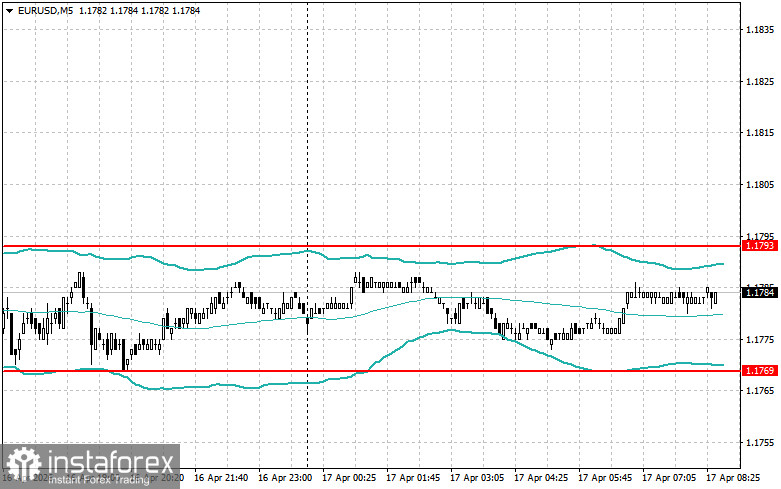
Look for short positions after a failed breakout beyond 1.1793 on a return below this level;
Look for long positions after a failed breakout beyond 1.1769 on a return to this level;
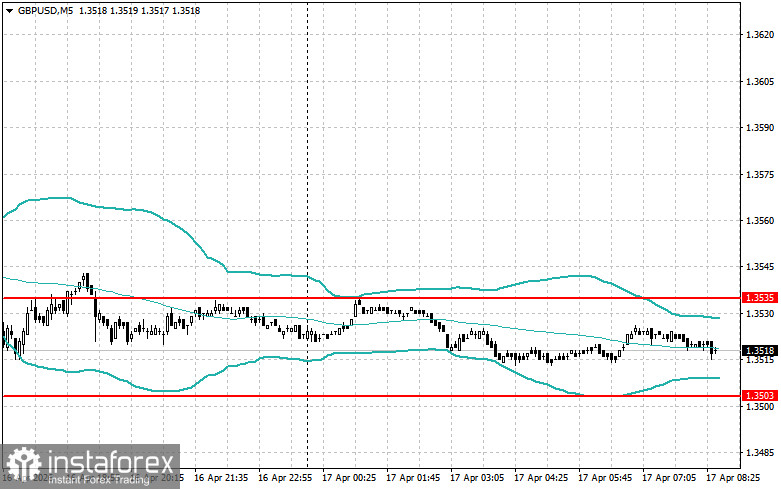
Look for shorts after a failed breakout beyond 1.3535 on a return below this level;
Look for longs after a failed breakout beyond 1.3503 on a return to this level;
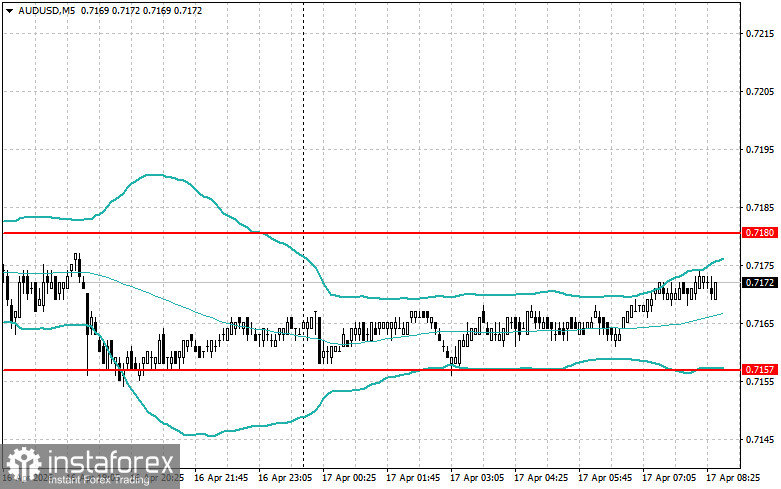
Look for shorts after a failed breakout beyond 0.7180 on a return below this level;
Look for longs after a failed breakout beyond 0.7157 on a return to this level;
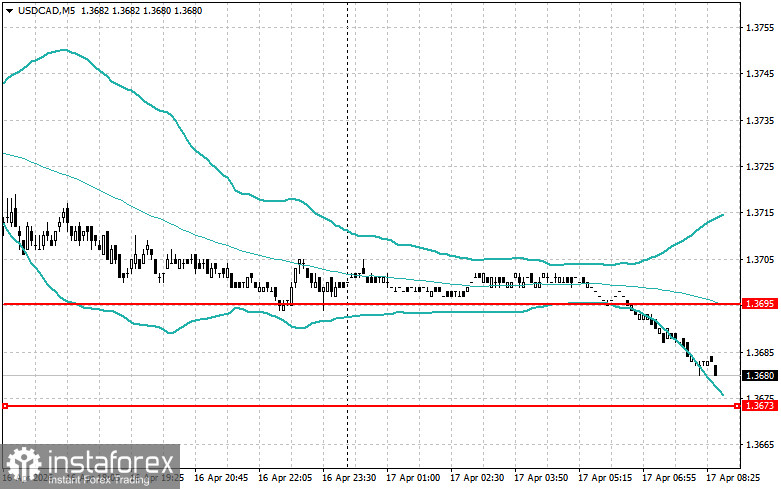
Look for shorts after a failed breakout beyond 1.3695 on a return below this level;
Look for longs after a failed breakout beyond 1.3673 on a return to this level;


