
Lihat juga


 05.08.2026 12:53 AM
All that is hidden eventually becomes clear. While Donald Trump threatens Iran with "decapitation" and gives Tehran a last chance, a deal is already being prepared behind the scenes. Qatar has announced that a potential agreement to resume negotiations between the U.S. and Iran is "progressing among the parties," although the mediator's spokesman did not name any specific deadlines.
U.S. Treasury Secretary Scott Bessent went further, stating that an agreement on controlling the Strait of Hormuz could be reached as early as Tuesday. Just these words were enough to push oil back down, while EUR/USD received much-awaited support. As usual, the markets did not wait for the official text of the agreement—they bought the rumor in advance.
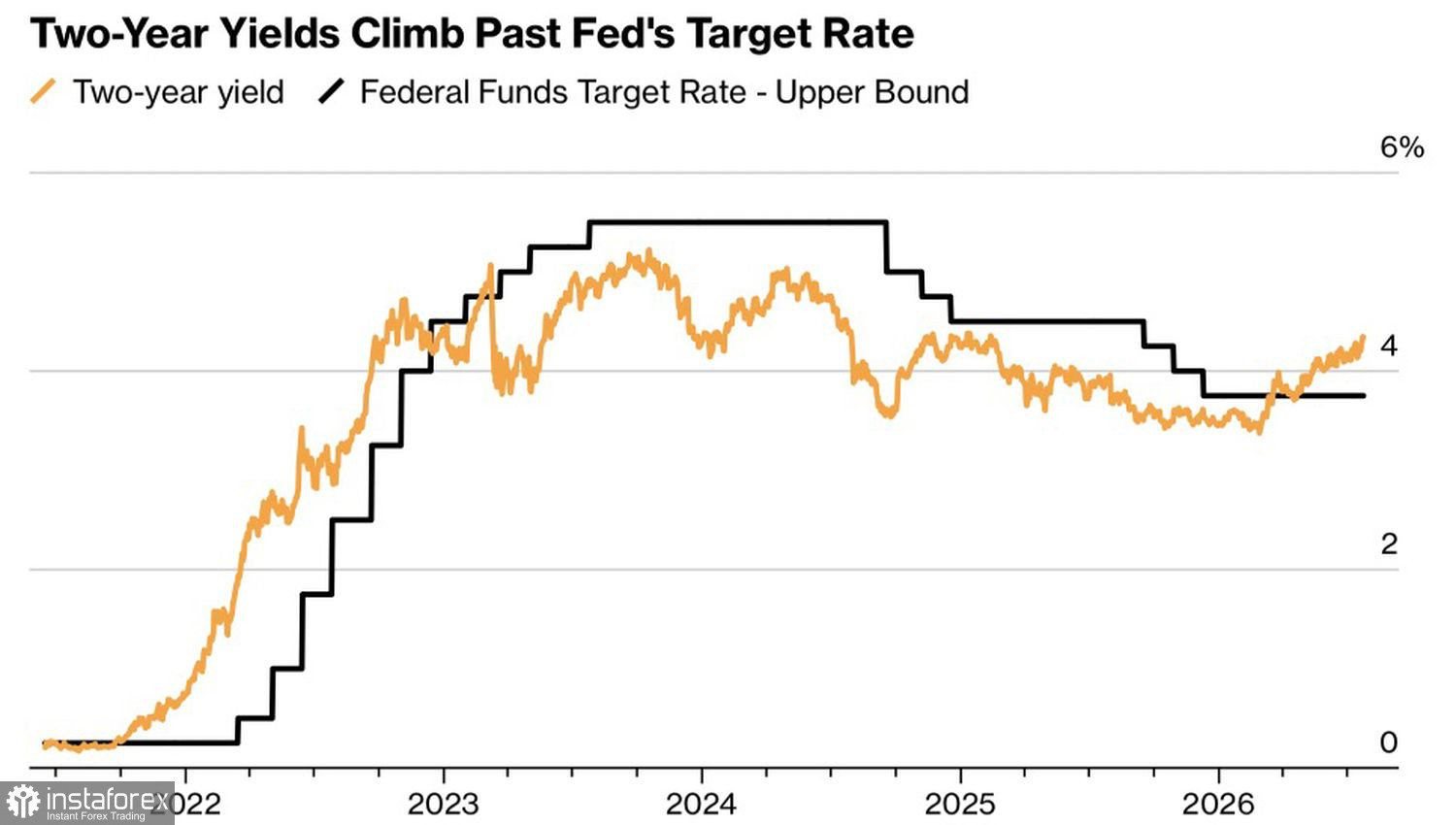
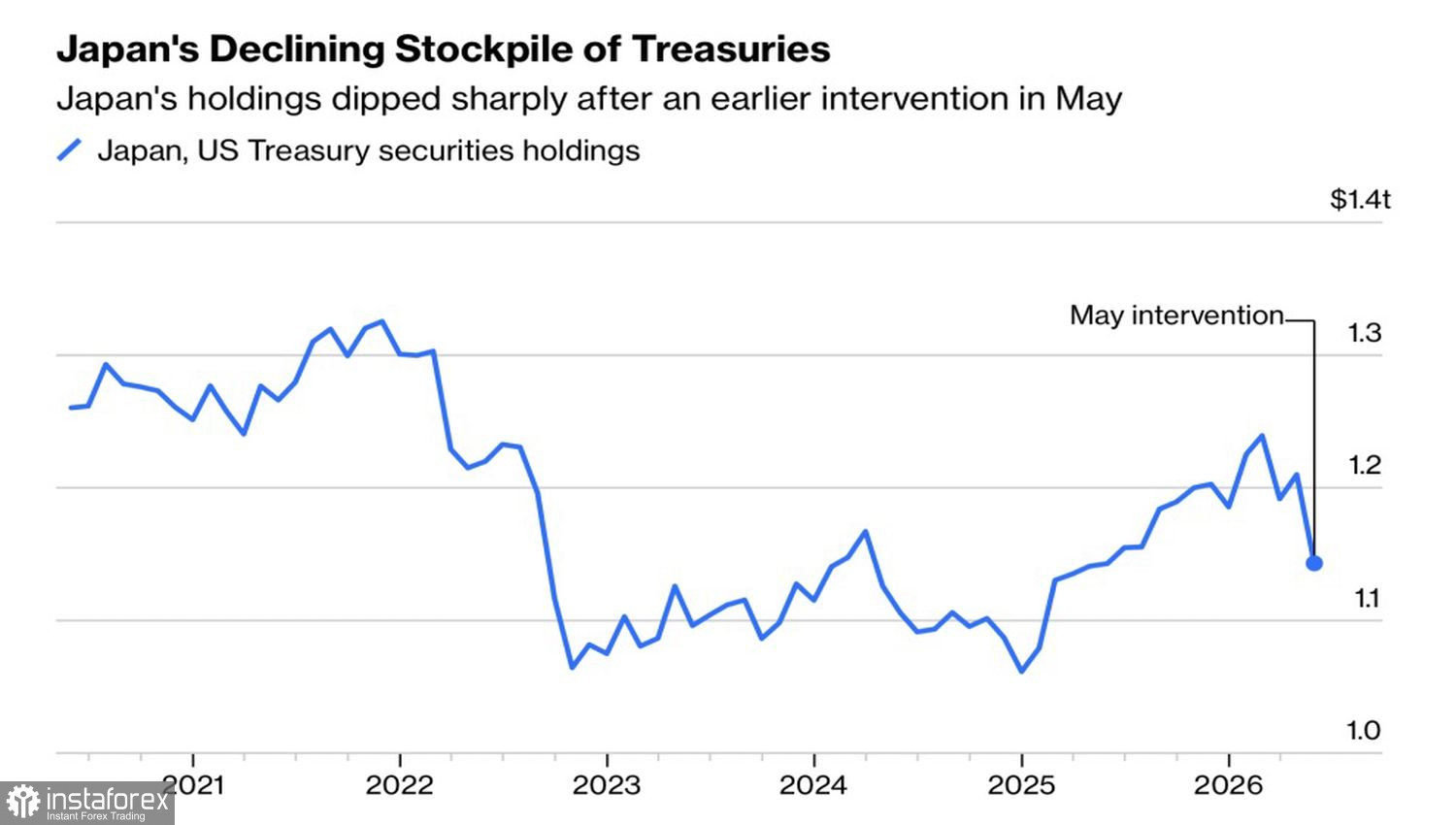
However, the U.S. dollar has its own trump cards that extend beyond the Strait of Hormuz. The White House is seriously concerned about rising Treasury yields and is forced to resort to unconventional methods. Bessent described Washington's support for Japan's currency intervention as a sign of trust in allies. A more plausible explanation is different: the administration fears forced sales of Treasuries by its largest foreign holder.
The catch is that nothing happens in global markets in a vacuum. If Tokyo acted alone, it would have to liquidate part of its $1.1 trillion in Treasury holdings, which would push yields and mortgage rates up. The Trump administration promised voters cheap borrowing but now faces 19-month highs in yields ahead of the midterm elections. Aggressive tax cuts and entanglement in the Middle East, which fueled global inflation, now require backstage tricks to compensate for it.
Nevertheless, the dollar has reasons to take pride without geopolitics. The U.S. trade balance deficit shrank by 5.6% to $73.3 billion in June—imports fell across the board for the first time this year. Trade has been shaky throughout the quarter due to tariff chaos, war in the Middle East, and the race for investments in artificial intelligence. Nevertheless, net exports continue to support economic growth, and the second reading of GDP for the second quarter may exceed the modest initial forecast of 1.5%.
This results in an interesting picture: geopolitics pushes EUR/USD up, while domestic statistics and the government debt market pull the dollar in the opposite direction. Which of them will prove stronger when the text of the Iranian deal finally lands on the table?
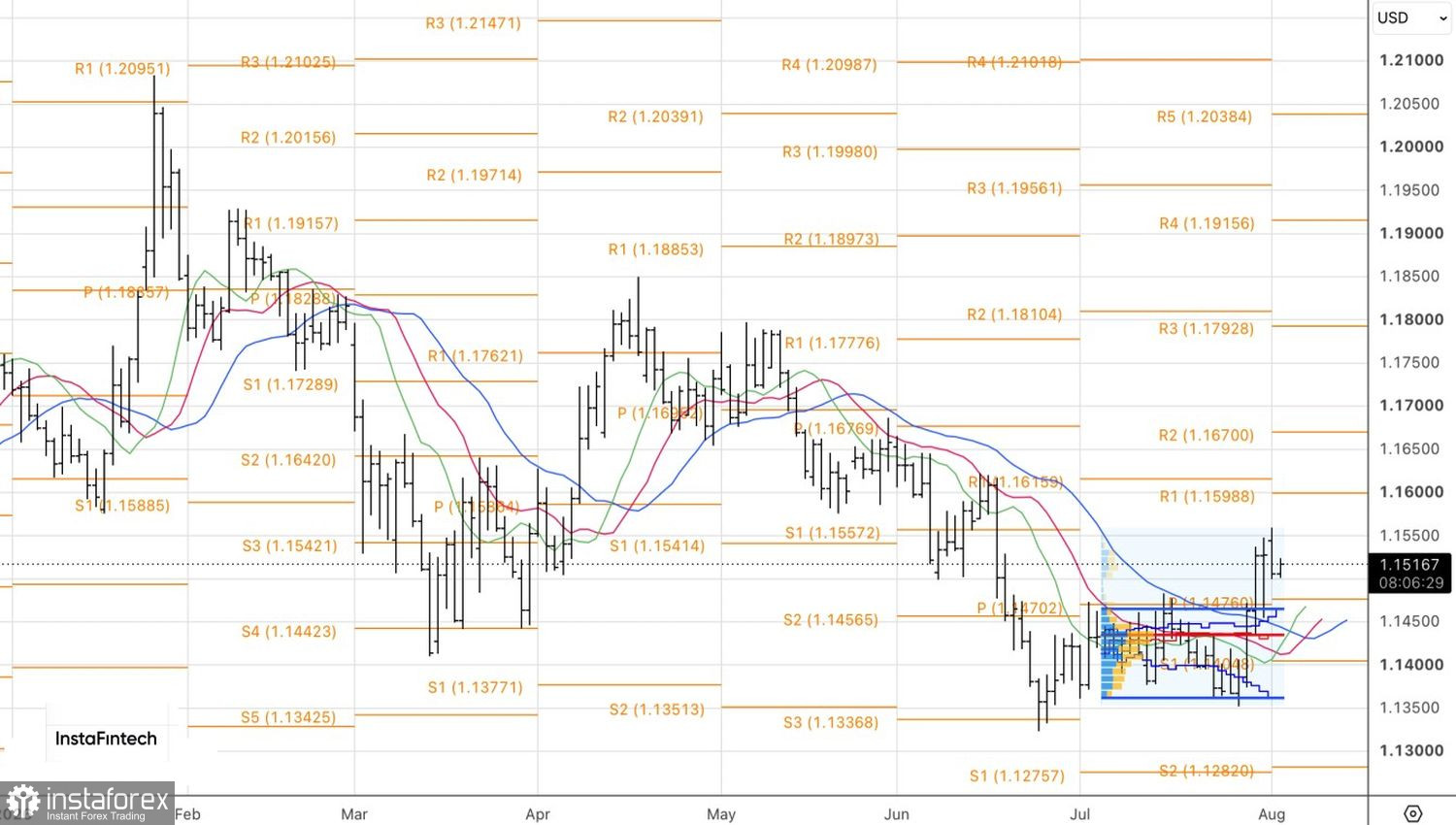
Technically, on the daily chart, EUR/USD shows a pullback after the rally. As long as the quotes for the main currency pair remain above the support level of 1.147, the sentiment remains "bullish." Focus should be on buying during the exhaustion of the corrective movement towards the upward trend.


