
یہ بھی دیکھیں


 29.06.2026 12:28 PM
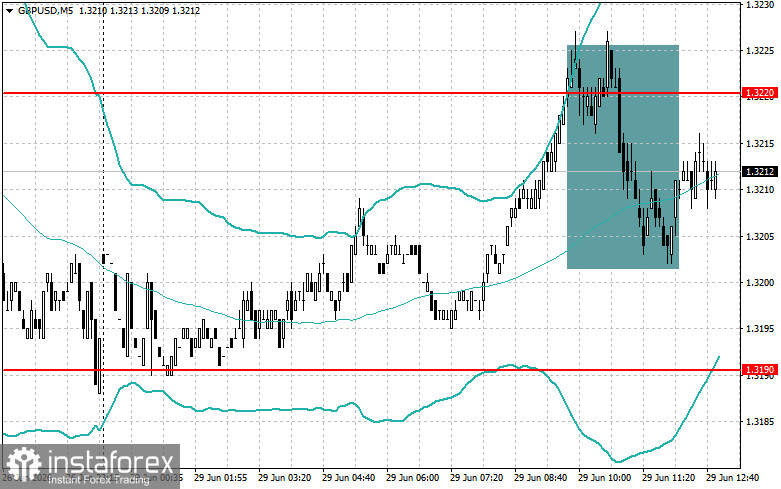
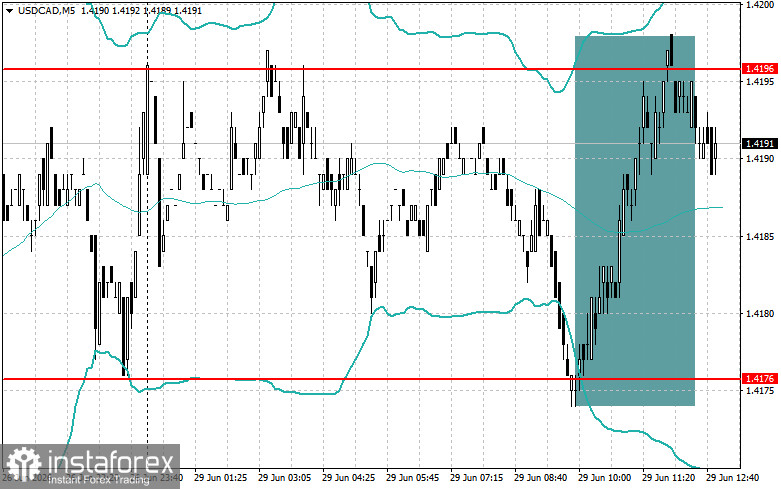
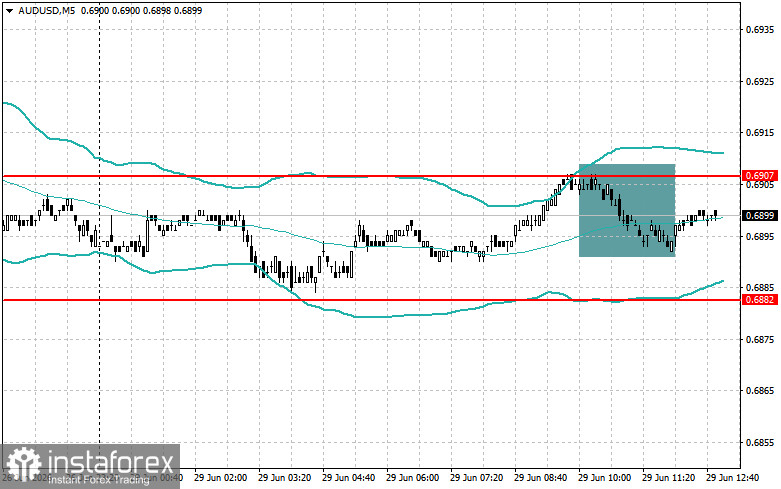
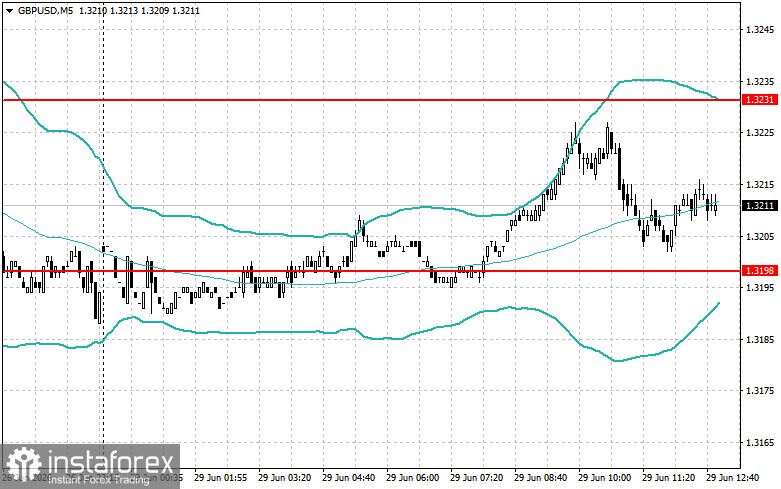
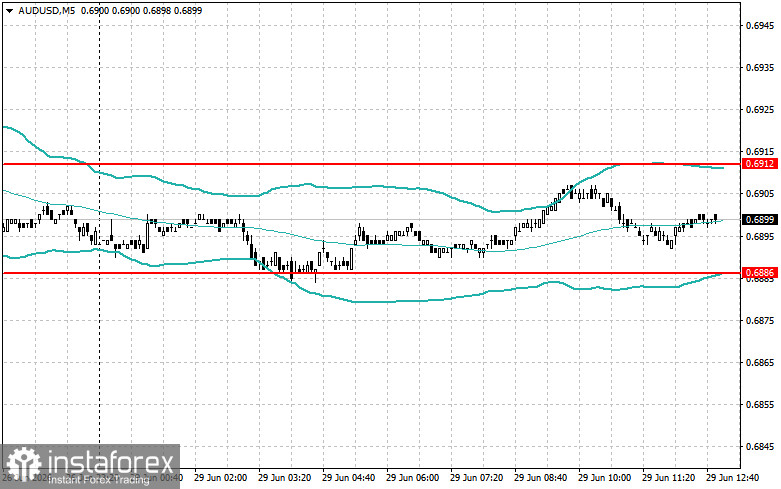
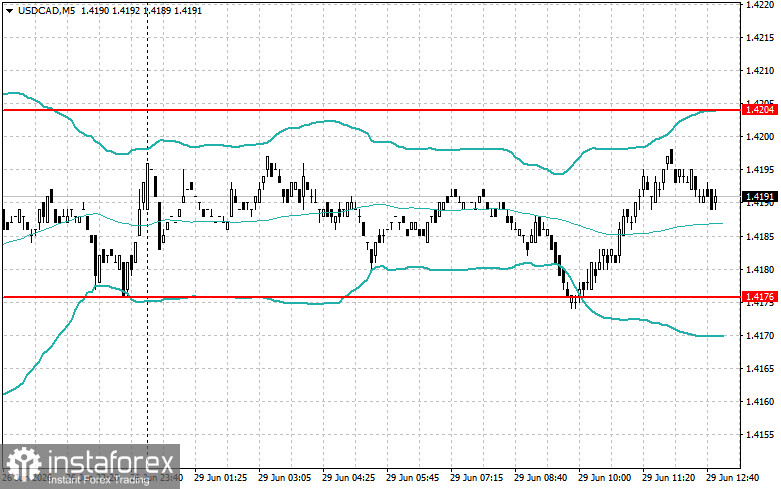
Today, the British pound, the Australian dollar, and the Canadian dollar all performed well under the Mean Reversion strategy. I did not take any trades using the Momentum strategy.
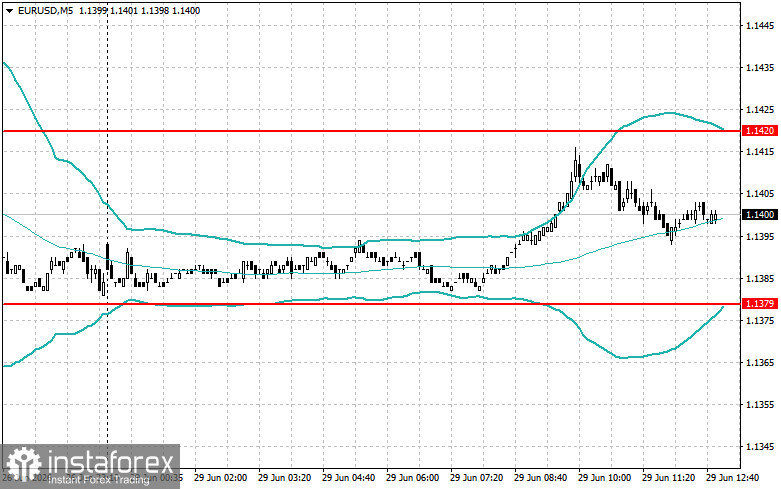
The euro gained after the acceleration in M3 money supply growth and stronger lending activity, both of which clearly support the case for a second ECB rate hike in July. However, despite these positive signals, the outlook for the euro remains mixed. The policies of other major central banks—particularly the U.S. Federal Reserve—will play a key role in determining the euro's future direction. If the Fed resumes raising interest rates, the U.S. dollar could strengthen against the euro, even if the ECB also delivers another rate hike.
The British pound came under pressure following the release of data showing a sharp slowdown in the mortgage market. A decline in the number of approved mortgages and lower lending volumes indicates increased caution among both borrowers and banks. Faced with high borrowing costs and rising living expenses, consumers are likely to remain more cautious about taking on long-term financial commitments related to property purchases, which is negative for both the UK economy and the pound.
There are no U.S. economic releases scheduled for the second half of the day, so the dollar is unlikely to see strong demand. Under these conditions, markets often become less volatile, as the absence of clear catalysts encourages traders to remain on the sidelines. Nevertheless, even without U.S. data, global developments and news from other major economies could still have some impact on the dollar.
If strong economic data are released, I will rely on the Momentum strategy. If the market shows no meaningful reaction to the data, I will continue using the Mean Reversion strategy.
EUR/USD
GBP/USD
USD/JPY
EUR/USD
GBP/USD
AUD/USD
USD/CAD


