
Vea también


 12.10.2026 12:49 AM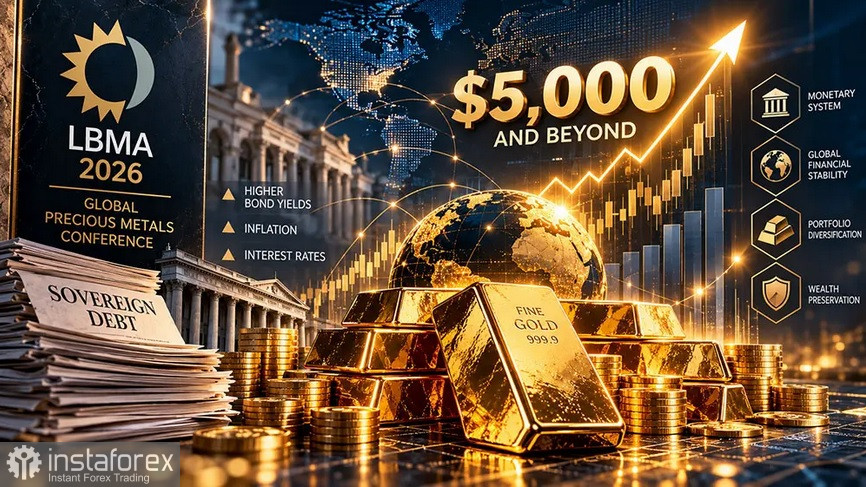
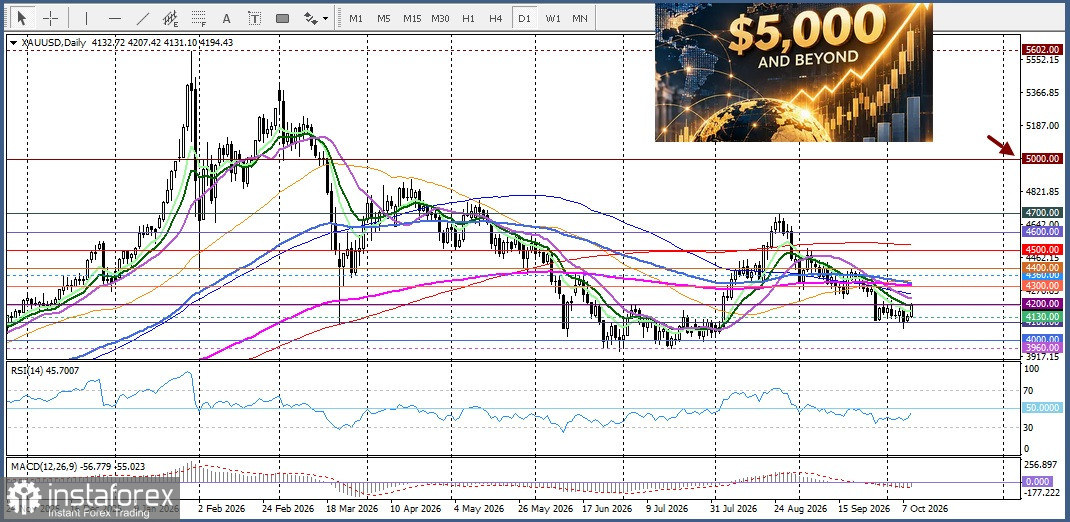
Gold has faced difficult headwinds since the start of spring. Higher bond yields and persistent inflation, which create expectations of monetary tightening, make it harder for the precious metal to rally.
Nevertheless, despite these obstacles, the long-term outlook remains bullish and unshaken. The annual LBMA conference in Sorrento, Italy, reinforced that message this week. Delegates and the wider investment community received a clear signal: short-term weakness should not obscure long-term opportunity.
Among conference participants, there is broad agreement that gold prices could reach $5,000 by the same time next year — reflecting strong analyst optimism over a longer horizon. But investors should watch more than price action. Pay special attention to the changing role of gold and other precious metals in the global financial system—a transformation that appears to be happening faster and on a larger scale than many investors assume.
For decades, investors viewed gold primarily as a hedge against inflation, currency debasement, and geopolitical turmoil. Those drivers still matter, but more investors now see gold as a different kind of protection in a world where confidence in sovereign finances and traditional monetary systems is eroding.
One of the conference's key themes was sovereign debt. Governments continue to borrow actively, and many investors are questioning the sustainability of that practice. While rising bond yields currently weigh on gold, they also reflect growing concerns about the fiscal health of issuing governments.
Central banks are taking this seriously. Although gold has long been part of reserve portfolios, its appeal today reaches beyond simple safe-haven status. Unlike many financial instruments, gold carries no counterparty risk: it cannot default, and states cannot easily freeze or restrict physical holdings. In an era of increasing political and economic fragmentation, those characteristics matter more than ever.
Bundesbank President Joachim Nagel noted that gold now accounts for almost a quarter of global central-bank reserves. While much of the recent increase reflects higher prices rather than fresh purchases, the trend is noteworthy. Central banks are rethinking gold's role in response to heightened geopolitical uncertainty, not merely as a yield play.
Demand is not the only thing changing. The conference also explored how technology and tokenization are already enhancing gold's value as a global financial asset. Digital platforms can simplify trading, transfers, and collateral use of gold, making the metal more accessible and useful for a broader range of investors. Legitimate questions remain about regulation, custody and trust, but the opportunities are increasingly hard to ignore.
Importantly, the conference underscored that forces beyond the next Federal Reserve rate decision will drive gold's future. Investors can debate what gold's price should be today; the far more important question is whether the world is moving in a direction that will make gold an even more valuable asset in the future.


