
 22.05.2026 12:49 AM
On Thursday, the British pound weakened against the Japanese yen as traders assessed the latest preliminary PMI data from the UK and Japan. At the time of writing, the GBP/JPY pair was trading around 213.50, near weekly highs.
In the UK, preliminary PMI data from S&P Global showed a decline in the composite PMI to 48.5 in May, down from 52.6 in April. This is the lowest reading in 13 months and signals the first contraction in private sector activity since April 2025. The services PMI dropped to 47.9 points (from 52.7 previously), reaching its worst level in the last 64 months, while the manufacturing PMI held steady at 53.7, matching the previous figure and exceeding market expectations of 53.0.
Mixed PMI figures from both economies led to range-bound trading in the GBP/JPY pair on Thursday. Traders should also pay close attention to developments in the negotiations between the U.S. and Iran. Earlier that day, according to Reuters, Iran's Supreme Leader ordered that uranium enriched close to weapons-grade levels be kept within the country.
This news weakened hopes for a quick breakthrough in negotiations, as curbing Iran's nuclear program remains a key demand from the U.S. Amid high oil prices and closed approaches to the Strait of Hormuz, Japan's dependence on energy imports from the region continues to exert pressure on the yen.
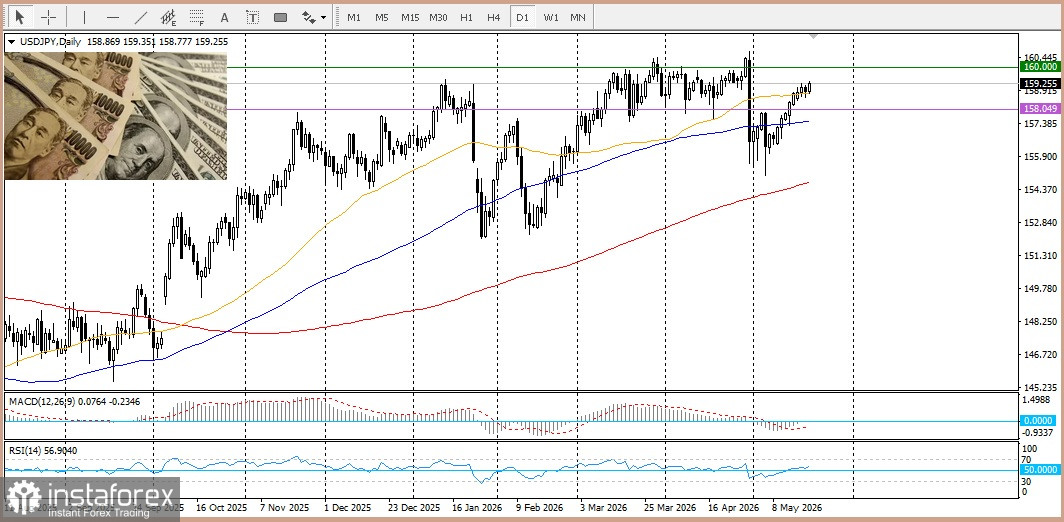
Nevertheless, the USD/JPY pair is heading toward a level around 160.00. Concerns about potential intervention by Japanese authorities have made traders wary of aggressively selling the yen.
Moving forward, the outlook for GBP/JPY remains optimistic, as the significant interest rate differential between the Bank of England and the Bank of Japan continues to favor the British pound. Existing inflation risks tied to rising oil prices and the tense situation in the Middle East may widen the divergence in policy, as central banks face pressure to maintain a tight monetary policy for an extended period.
Traders should now focus on the key economic data scheduled for release on Friday, including Japan's National Consumer Price Index (CPI) and UK retail sales figures.
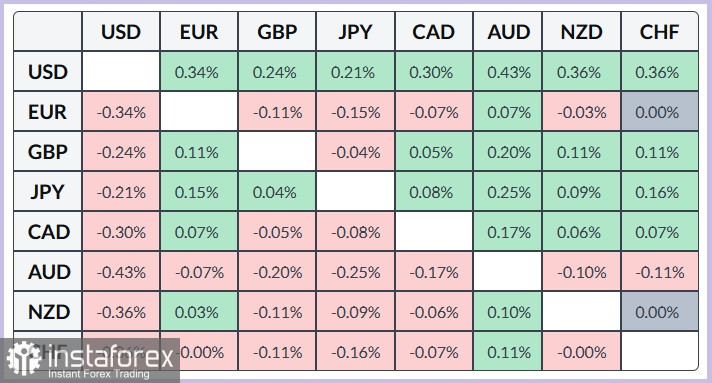
The table below presents the percentage change in the Japanese yen against major currencies in the market on Thursday. The Japanese yen demonstrated the strongest against the Australian dollar.