
یہ بھی دیکھیں


 30.06.2026 04:04 PM
Slow and steady wins the race. But HSBC says that rule may soon stop applying to the US dollar. The bank expects the greenback to strengthen into H1 2027 and warns that the rally could turn "explosive" if the Fed signals a tougher policy path than markets expect and geopolitical tensions flare again.
Risks rose after the June Fed meeting, where officials focused on inflation and gave the market almost no guidance. That refocused traders on rate differentials and helped the dollar rally. According to HSBC, a stronger greenback will be painful — and that pain trade is developing toward a more explosive period of dollar strength.
Meanwhile, prospects for the dollar's rivals are dimming. Falling oil prices have softened the ECB's stance, while the yen has slipped toward a 40?year low amid concerns that the Japanese government wants to curb the Bank of Japan's path to further rate hikes.
The ECB, however, is not rushing to declare victory over inflation. Officials at the symposium in Portugal stopped short of calling for an immediate rate hike, but signaled rising concern about consumer prices. Philip Lane said the bank needs to understand how four months of higher energy prices are filtering into food and services inflation. It looks like a sort of hawkish bluff — tough rhetoric, but no concrete steps.
Speculative positions in the US dollar
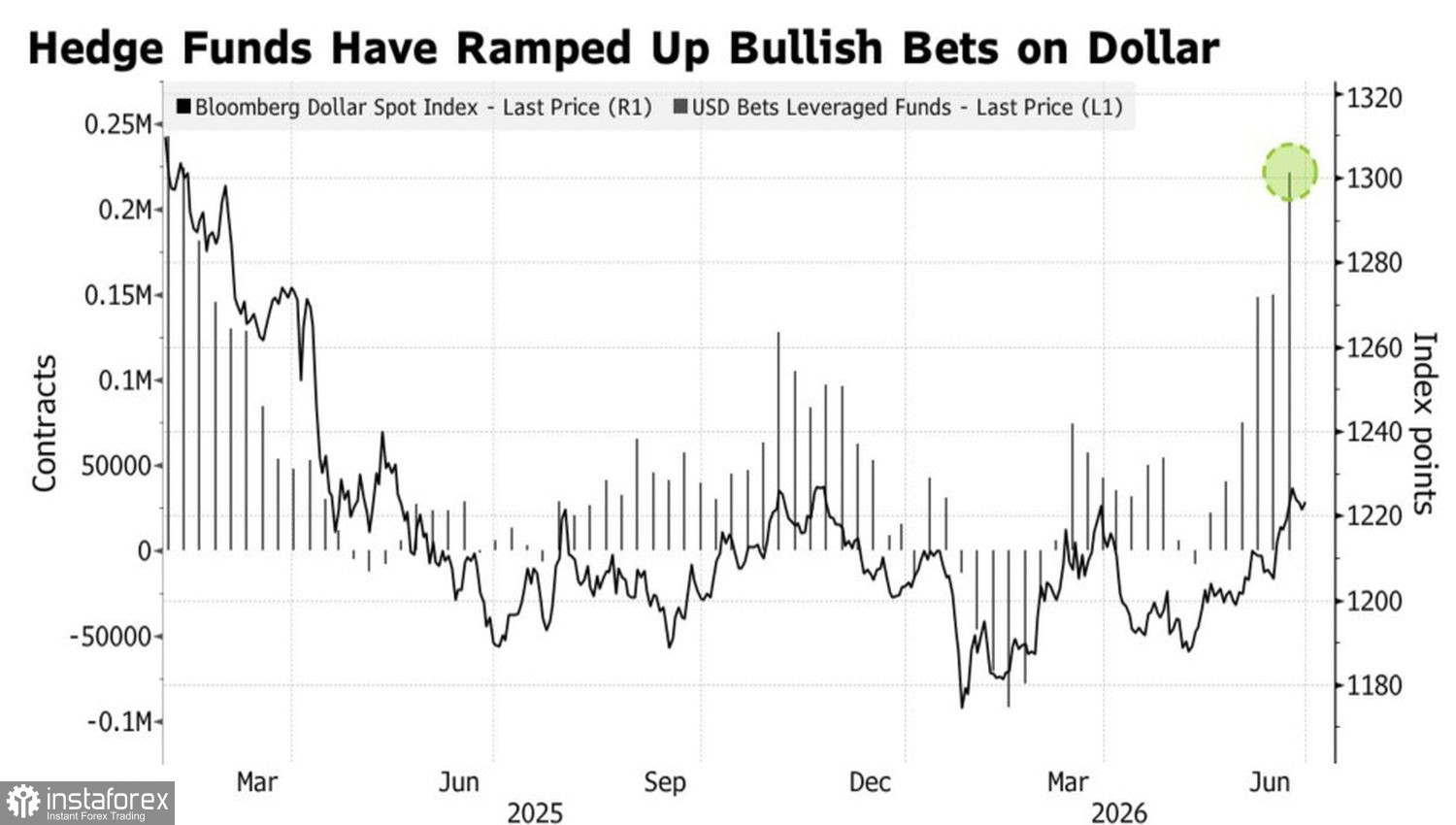
Hedge funds did not wait for action and pushed bullish dollar bets to a 16?month high. The market is increasingly pricing further greenback gains — and that's not the only surprise of the year. There has been a rotation in the Treasury market: investors started the year expecting a sharp steepening of the curve as Fed cuts were priced in, but sticky inflation, a resilient labor market and a more hawkish Fed stance have flattened the curve.
HSBC warns that this structure could quickly unravel if the economy weakens enough to push the Fed toward easing and the curve suddenly steepens again.
CIBC takes a more cautious view. The bank sees the dollar rally as cyclical rather than structural. In the near term, the USD index may rise amid fading tariff uncertainty, tax refunds and capital spending linked to AI, while the rest of the world suffers a growth shortfall: Asia shows weakness, and Europe struggles with the fallout of the energy shock. That, the bank says, is driving a cyclical upswing in the US currency.
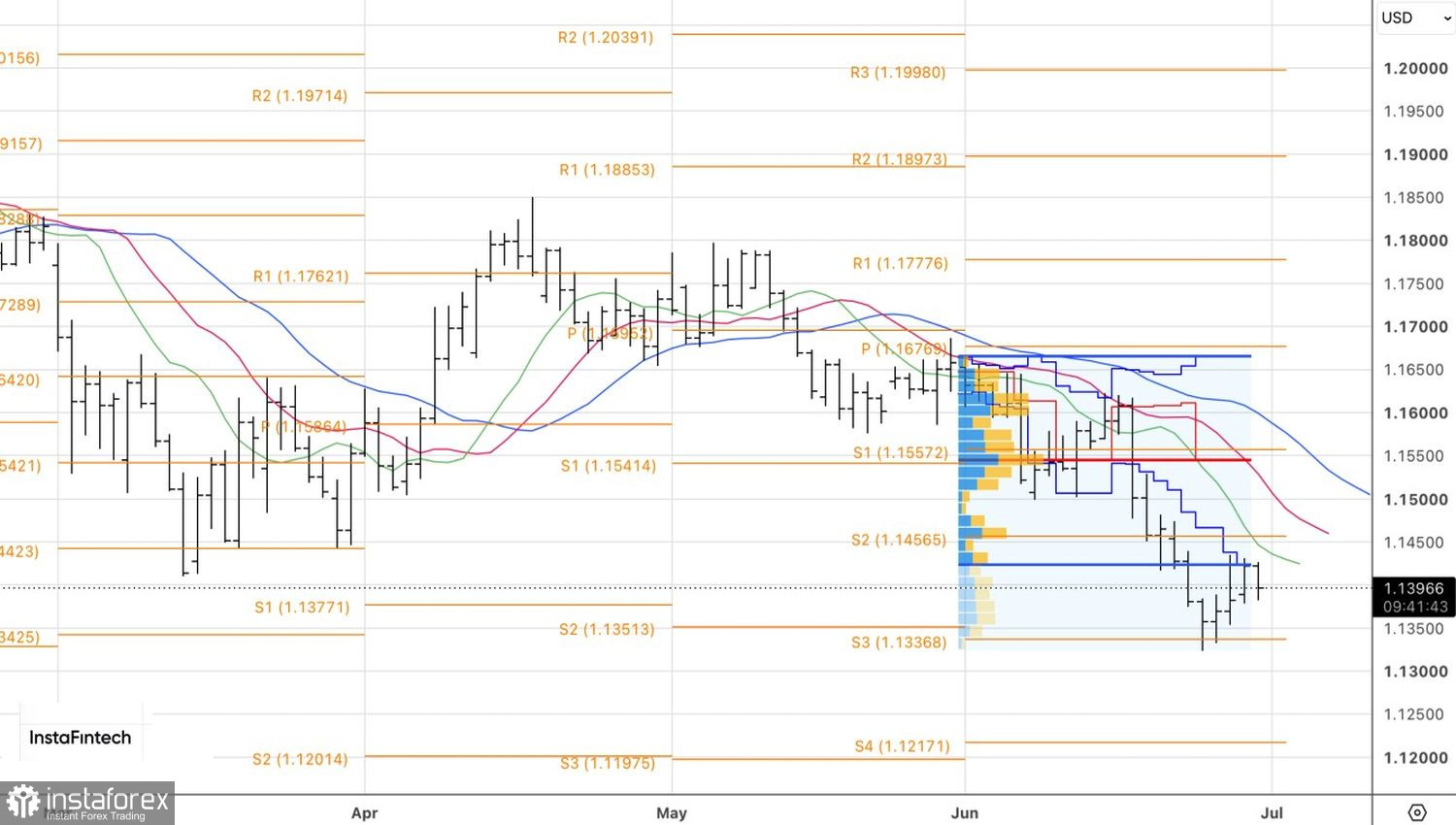
Technically, an inside bar formed on the daily EUR/USD chart. A break of its high at 1.143 would be a buy signal. Conversely, a successful breach of the low at 1.1375 would open the door to further selling.


