
Veja também


 05.10.2026 02:09 PM
Also in focus today — the unusual resilience of long-term Bitcoin holders amid a crypto pullback and the rapid, albeit not yet deeply adopted, launch of Meta's Muse AI app. These events show capital reprioritizing across sovereign bonds, digital assets, and new AI platforms.

Last week was a severe test for precious metal traders. Gold and silver finished the week deeply in the red, and the primary triggers were not the Middle East conflict but hard data from US government reports.
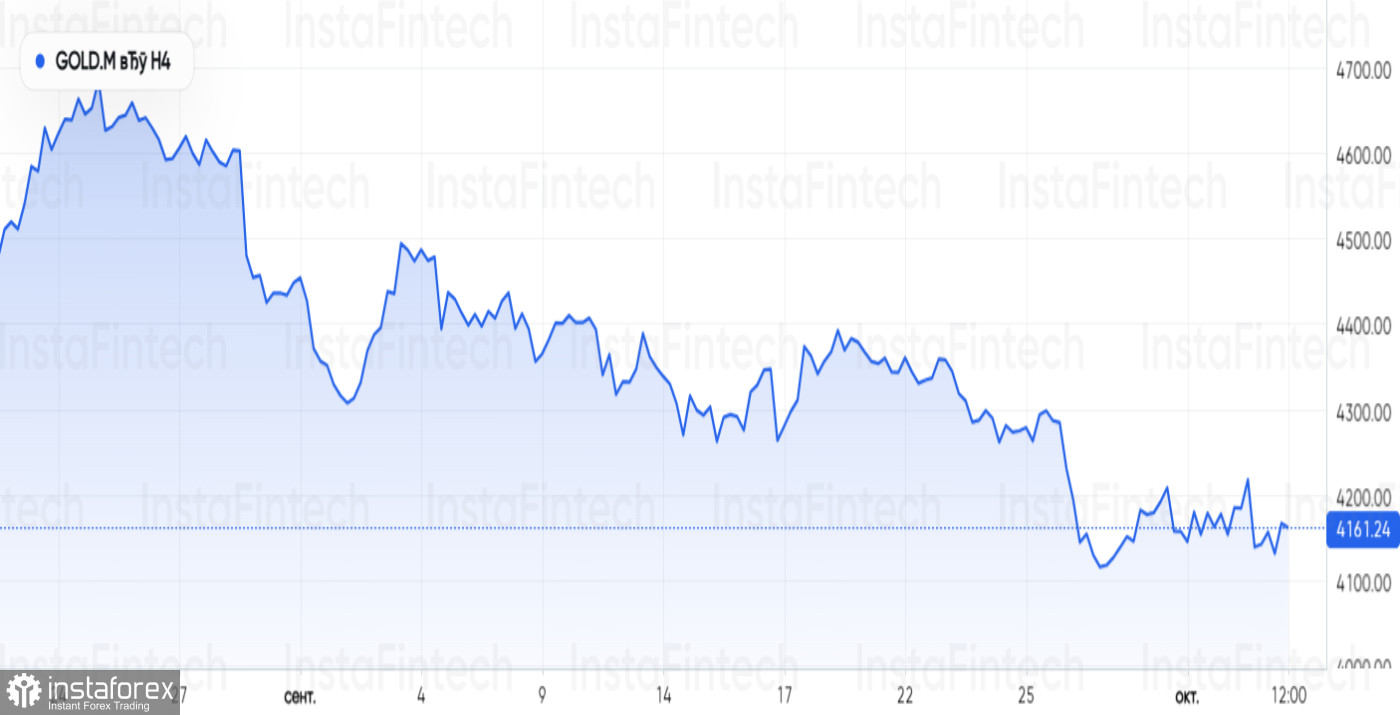
Spot gold began the week on an optimistic note, briefly touching $4,280.56 on Monday after starting near $4,278. However, the euphoria gave way to a sell-off.
Under pressure from rising oil prices (driven by worsening US–Iran tensions), a stronger dollar, and a surge in yields, gold plunged to a weekly low of $4,110.95 on Thursday. That was the lowest level since August 5.
By the close on Friday, October 2, the spot price of gold settled at $4,140.52/oz (bid $4,138). The weekly decline was a hefty 3.09%. Silver followed, finishing the week around $60.18/oz.
The current picture illustrates a new reality: the bond market now sets the terms for precious metals. On Thursday, October 1, the 10-year US Treasury yield jumped to 5.342%, the highest since early 2002.
Over Q3, the 10-year yield surged by 87.1 basis points, marking the most powerful quarterly rise since 1994. The US dollar index also hit fresh highs, not seen since late June.
Why does this kill a gold rally? It's simple: when risk-free US Treasuries offer yields near historic highs, holding non-yielding bullion becomes an expensive proposition. Investors rotate into dollars and bonds en masse.
The only bright spot for bulls was Friday's weak labor report: the US added just 29k jobs in September, and unemployment rose to 4.2% (with July and August revised down). Gold spiked briefly above $4,200 as markets priced in a lower likelihood of an October Fed hike. The respite was short — yields moved back up, and metals resumed their decline.
Two factors have so far prevented gold from collapsing through historic support. First, ongoing central bank purchases of physical bullion as a reserve diversification strategy. Second, persistent geopolitical risk in the Middle East. Demand for safe-haven assets tied to geopolitics provides a cushion under prices.
Volatility is a trader's friend, and the dramatic events described here are unfolding now. The instruments discussed, including spot gold and silver, are available on the InstaTrade platform.
Don't miss opportunities to profit from global macro trends: open an InstaTrade trading account and download the mobile app to analyze markets in real time and execute trades with a single click from anywhere.

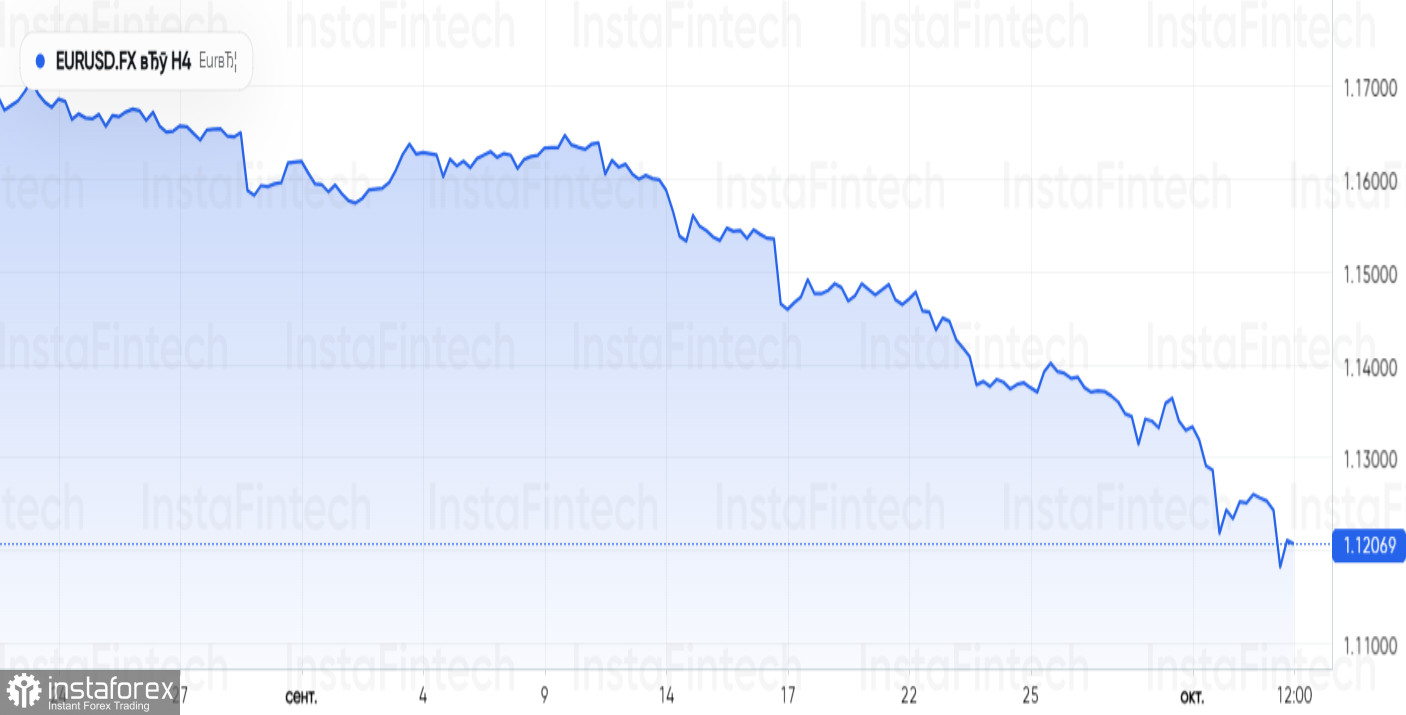
Monday, October 5, began with a severe financial hangover for the euro. The currency plunged to levels not seen in 17 months. The culprit is France, whose budget troubles have panicked investors into selling assets on fears that a French "contagion" could spread across the euro area.
Already in the Asian session, EUR/USD dropped about 0.8% to $1.1161. By the London open, the euro was barely holding the psychological $1.12 mark (down ~0.6%). OCBC analysts note this is the steepest decline since May 2025. Overall, the euro has weakened for a fourth consecutive week, losing roughly 5% year?to?date.
The epicenter of the market quake is Paris. With presidential elections due next year, the state of French public finances has become a source of alarm for the market.
The 10-year French yield jumped to 4.9% last week. On October 2, the spread between French and German paper widened to 1.5 percentage points, marking the largest gap since 2011.
However, France may be only the beginning. Bloomberg reports that by Thursday, October 1, bonds from Italy, Belgium, and Greece had also suffered sharp losses following the stress in French debt. Spooked investors are piling into German bunds as a safe haven.
The situation is compounded by hedge funds: in efforts to hedge risk, they are rapidly closing positions in popular carry-trade credit strategies, which only adds fuel to market volatility.
The European Central Bank now faces a deeply unpleasant dilemma. The ECB already has to tighten policy to rein in inflation stoked by the energy shock. Now it must also consider measures to prevent fragmentation in the sovereign bond market.
Market sentiment, Robertson argued, was summed up bluntly when he said it appeared France lacked both the will and the capacity to get its finances in order.
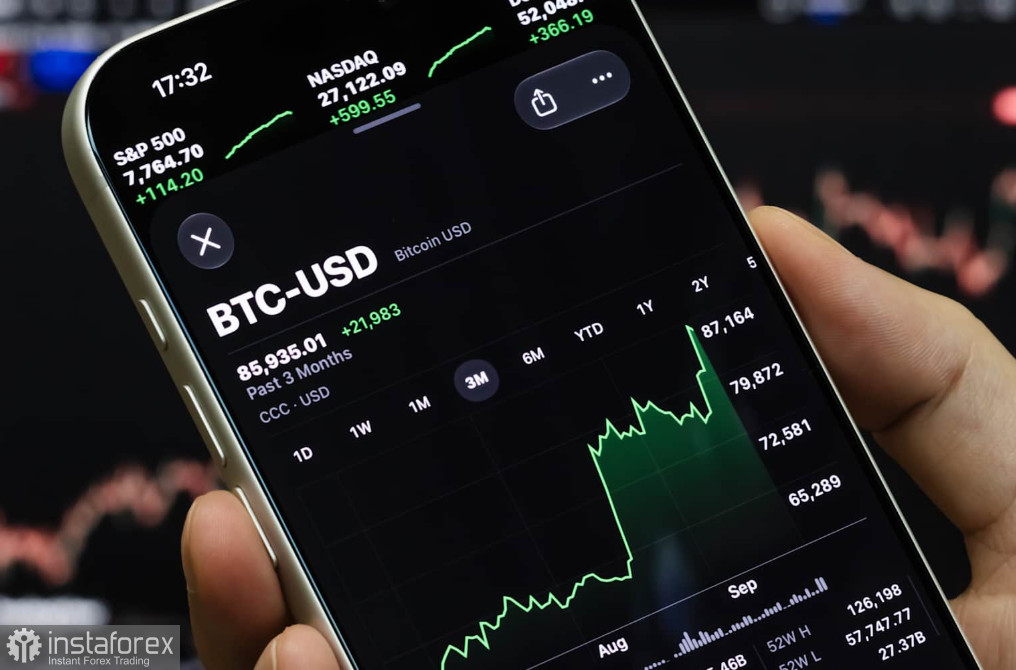
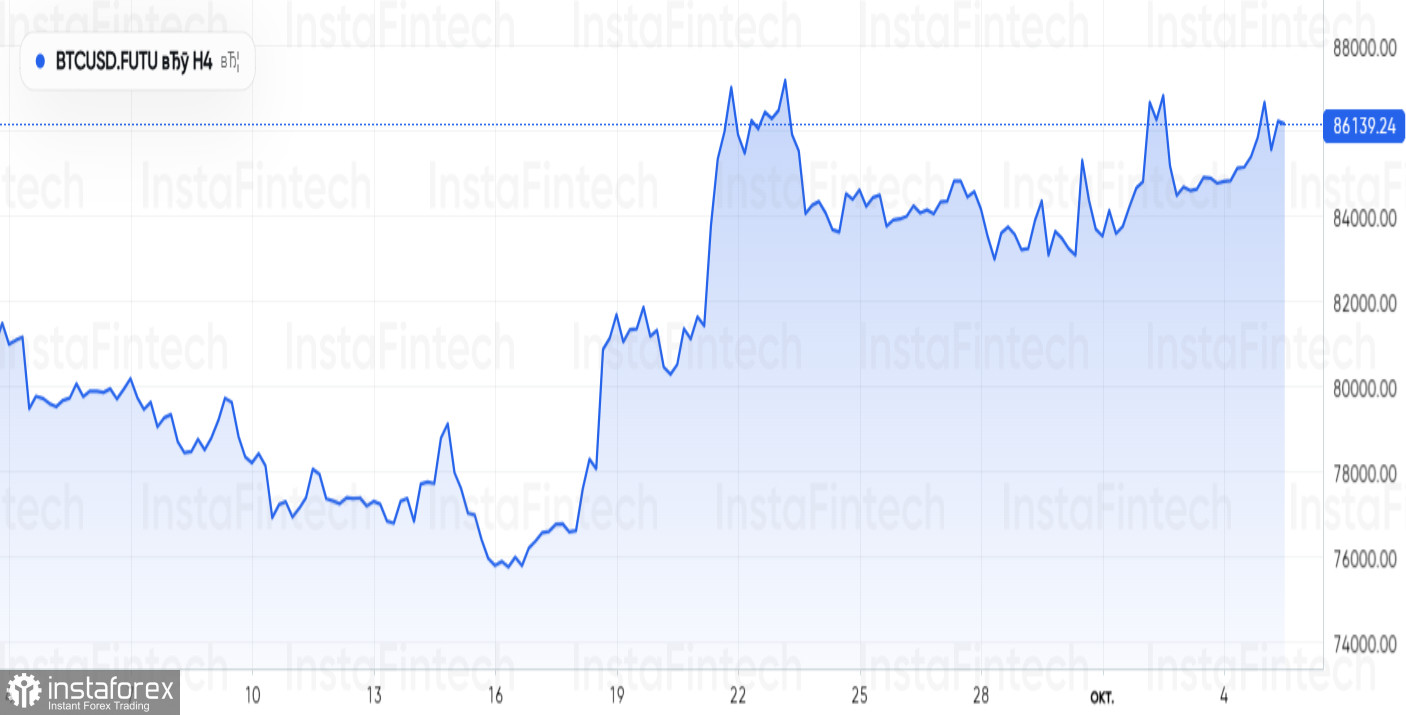
The current bearish cycle in the crypto market has produced a real surprise for investors. The most patient market participants, long-term Bitcoin holders, managed to keep their portfolios in the green throughout the sell-off in the flagship digital asset. On-chain analytics firm Glassnode reports that this phenomenon has not been observed at least since 2015.
The principal sentiment gauge for the market's "old hands" is the LTH?MVRV ratio. Simply put, it measures the current market price of Bitcoin versus the average price at which long-term holders last moved their coins on-chain.
The magic level 1.0 marks the breakeven point. If the index falls below that (for example, to 0.85), it signals that the group is sitting on unrealized losses (about 15% in that case).
According to Glassnode, readings below one are extremely rare and only occur in the deepest, most brutal bearish markets, when even the most committed crypto believers are forced to realize losses. The band from 1.0 to 1.5 is traditionally seen as a "low-risk" zone.
Historically, each bearish cycle ended with LTH-MVRV breaking below 1.0, leaving long-term investors underwater. This cycle, however, broke the pattern.
"No bear market since at least 2015 has done that," Glassnode analysts concluded in their recent study.
This time, the market bottom occurred above the long-term holders' average purchase price. The index not only avoided negative territory but has begun a confident recovery, rebounding from its lows.
For market analysts, that is a powerful signal: Bitcoin's fundamental resilience has increased, and sentiment among the largest, most patient whales remains steadfastly optimistic. They don't just believe in the asset — they have mathematically demonstrated their stress resilience.

The launch of Meta Platforms' personal AI agent Muse on September 8 was a major tech event. In just one month, the app didn't merely enter the market — it stormed it, recording more than 5.6 million downloads and topping the Apple App Store charts. Data cited by BNP Paribas and third-party analytics confirms that the audience is hungry for new AI solutions.
The secret of the explosive growth, BNP Paribas analyst Nick Jones argues, lies in Meta's "heavy artillery." Unlike isolated launches such as Sora or the early days of ChatGPT, Muse received powerful Internal support. Integration with Meta's social giants, Instagram, WhatsApp, and Facebook, delivered a user influx that rivals could only envy.
Sensor Tower statistics tell the story of a lightning-fast success: 730k downloads in the first five days and passing 2.5 million by September 21. On September 19, Muse displaced ChatGPT as the most popular free app in the US store.
However, behind the triumph lies an important nuance. The download curve, after a sharp ascent, flattened by day 12 and remained on a plateau through day 23. More telling is the retention picture: after the initial surge of interest, Muse's active user share is below comparable products from Google, ChatGPT, and even some of Meta's own apps.
As Nick Jones summarizes, the product enjoys "serious initial interest," but it still must travel the path from "download and try" to "open and use." Whether the newcomer becomes a daily habit or remains a forgotten icon on home screens is the central question for the months ahead.
Wall Street so far is suitably skeptical about how quickly this hype can be monetized. The revenue model is classic Silicon Valley: a free base to attract the masses and subscription tiers at $20 or $100 per month for power users. Partner commissions and future ad integration are also possible if user engagement can be raised.
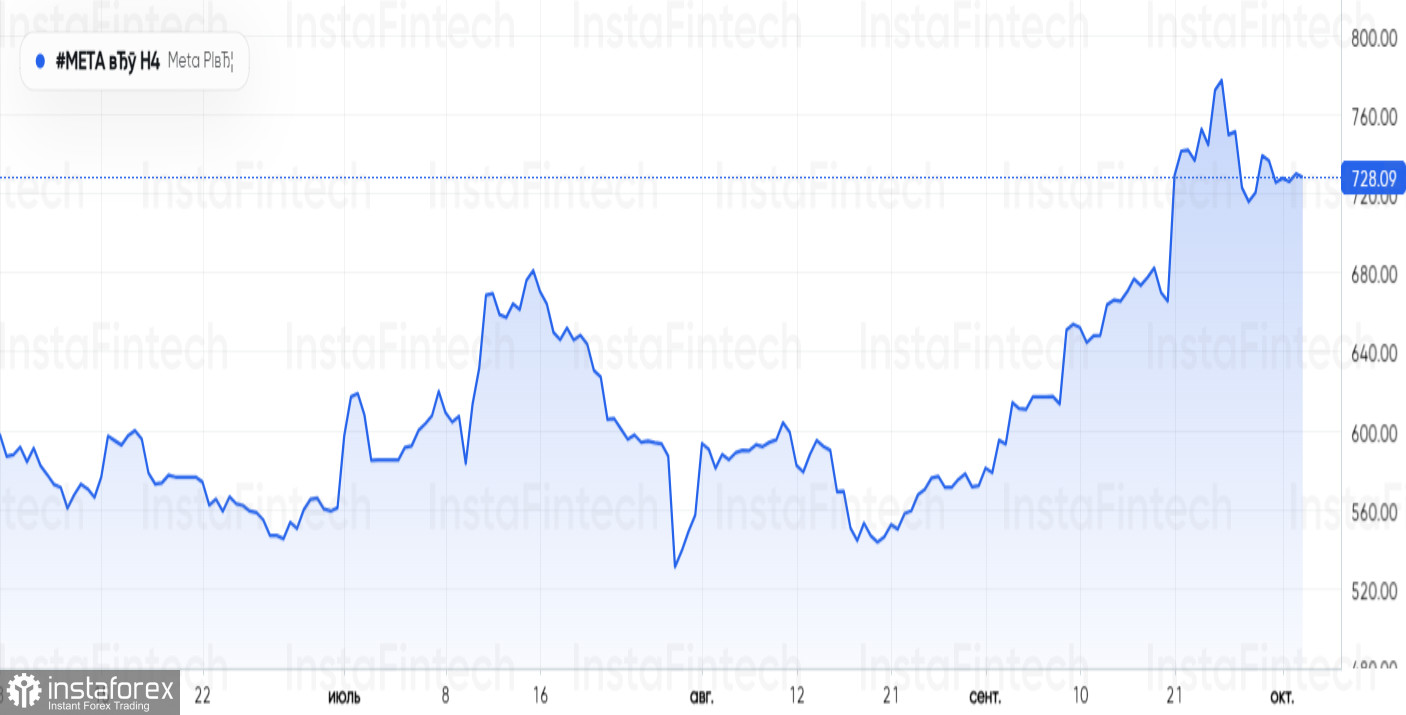
Despite retention concerns, the fundamental outlook remains optimistic. BNP Paribas maintained a $885 price target on Meta shares, expressing confidence in the long-term potential of the tech giant.
While analysts model scenarios, traders are profiting from volatility and tech stock strength. Meta stock — with an analyst target of $885 — and other global trading instruments are available on the InstaTrade platform.
Don't miss the chance to profit from the year's top news drivers. Open an InstaTrade trading account and download the mobile app to stay on top of markets and trade with a single click from anywhere.


