
See also


 30.10.2026 12:20 PM
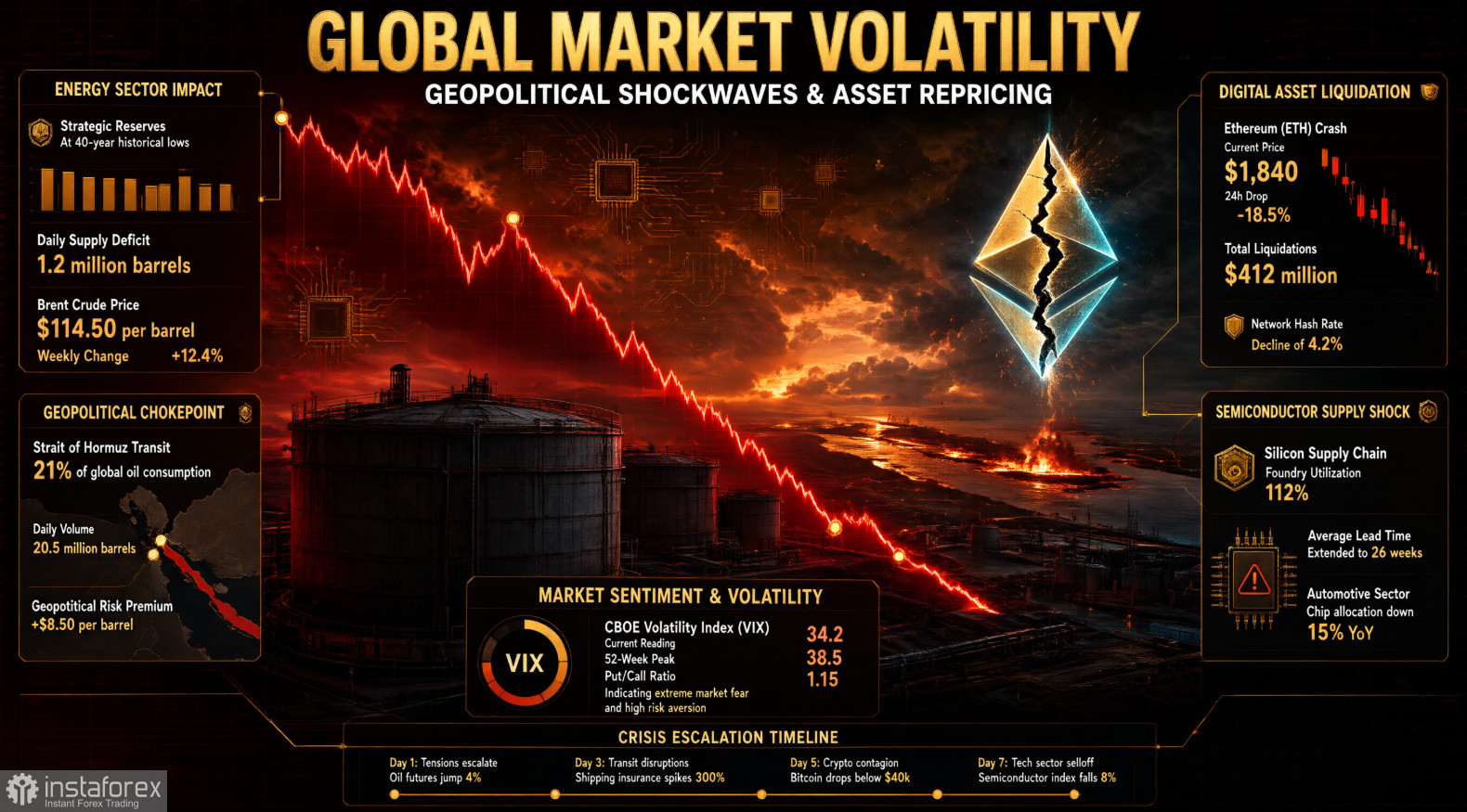
The global economy and markets are reacting with volatility to several dangerous factors at once. Global oil inventories have fallen to critical lows amid escalation in the Persian Gulf and logistics disruptions, pushing prices higher and threatening a hit to winter demand.
Major holders of Ethereum are dumping coins en masse, creating the risk of a rapid price collapse.
Intel shares plunged after a grim outlook and production problems that exacerbated the PC market crisis.
Even the presentation of an innovative touchscreen MacBook was met with a cautious investor reaction, reminding the market of margin pressure from pricier components.
In this article, you will find a detailed analysis of each of these stories and their possible consequences for markets and investors.

Global oil stocks in many regions have hit critical lows, absorbing this year's supply shock. Energy Intelligence reported this grim development on October 29.
Crude and fuel prices are creeping up and, paradoxically, those higher prices are now the thing that prevents a full market collapse, artificially compressing consumption. Experts call it an alarming bell—the market is balancing on an edge, and high prices are the only way to restore equilibrium in this tense system.
Pressure on the market grows daily as the Middle East war enters its ninth month. The longer the conflict continues, the more desperate countries and firms become to preserve strategic stocks. And although in recent weeks more oil has been evacuated from hot spots than at the crisis' start, the clouds over the Persian Gulf are thickening.
The market watches the calendar nervously: the US midterms are on November 3. Fears that Washington might strike Iran are already priced into the barrel. Tehran, in turn, openly threatens retaliatory measures in the Persian Gulf.
Numbers may appear comforting at first: Vitol CEO Russell Hardy reports 14m b/d are being exported from the Gulf. But the devil is in the details.
Speaking on October 6 at the Energy Intelligence Forum in London, Hardy clarified: this is not simply production volumes but what can be physically moved through the hot zones—roughly 12 m b/d of crude and 2 m b/d of products.
Hardy's warning sounds like a sentence: if the corridor narrows to 10 m b/d, then on the eve of winter energy markets will face harsh destabilization because Western stocks are depleted. A full stoppage of flows, he estimates, could throw benchmark prices up to nearly $200 per barrel.
The disruptions have become a chain reaction: crude was hit first, then products, and now the issue has developed into a full shipping crisis. Freight rates are soaring "almost parabolically," and the Strait of Hormuz has turned into a risk zone: between October 2 and 5, three tankers were attacked there.
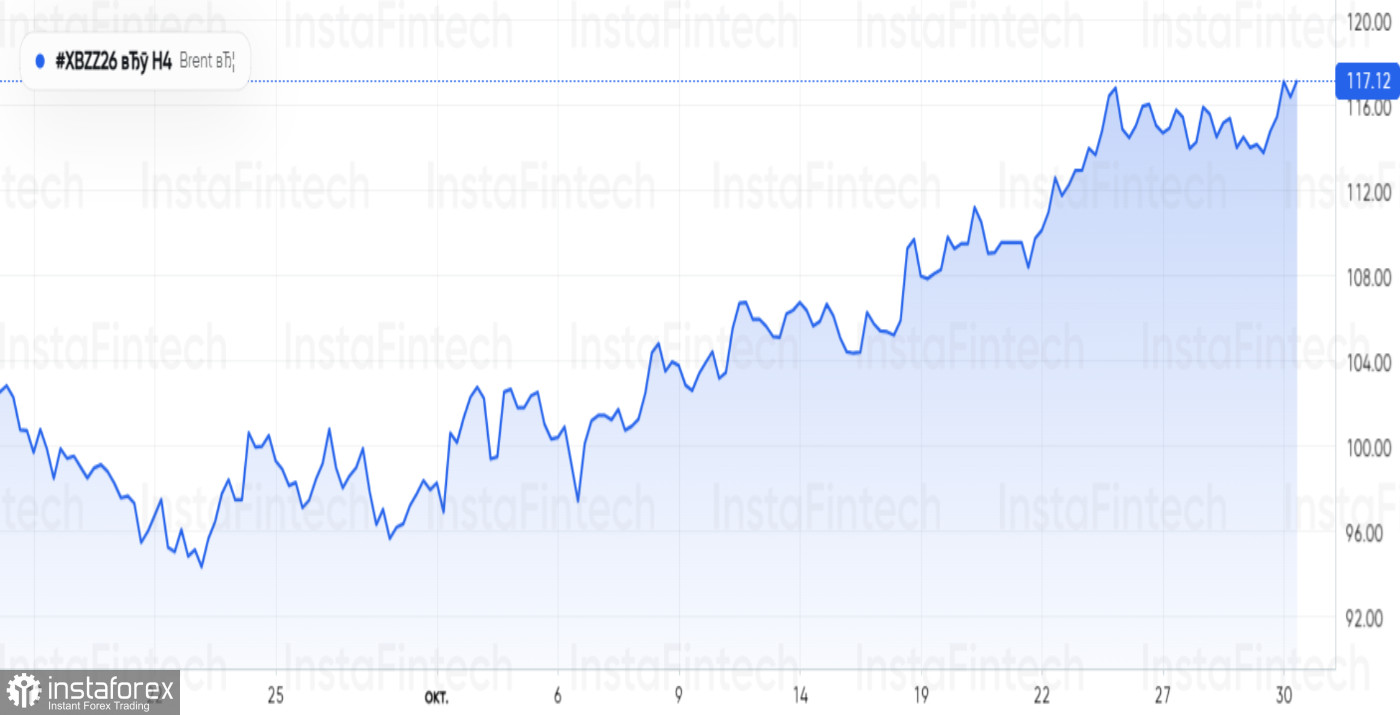
The dry but frightening statistics confirm the world has little to sell.
The IEA reports that by the end of September, observed global oil stocks were 509m barrels below pre-war levels, and on-shore storage has fallen to lows not seen since 2016.
Saudi Aramco chief Amin Nasser paints an even bleaker picture: "Commercial inventories are down to less than 6 bn barrels, and the overwhelming share of that is effectively inaccessible."
The situation in the US is no better. For the week ended October 23, crude inventories fell by 1.9m barrels, contrary to expectations of a build. Gulf Coast storage levels are at lows not seen since December 2024.
The IMF warns of the worst-case scenario: stocks are rapidly approaching the line beyond which "non-linear price jumps" begin. In plain language, the market could simply explode.
While politicians puzzle over November's outcome and logisticians count frayed nerves and freight rates, financial markets have their own answer to global uncertainty. Volatility is the keynote of this autumn, and it opens colossal opportunities for those who can read the trends.
Key trading instruments discussed here are available for active trading on the InstaTrade platform. Do not miss the chance to profit from global macro shifts. Open an account on InstaTrade now and download the mobile app to keep a finger on the pulse of the oil market and trade with one click wherever you are.

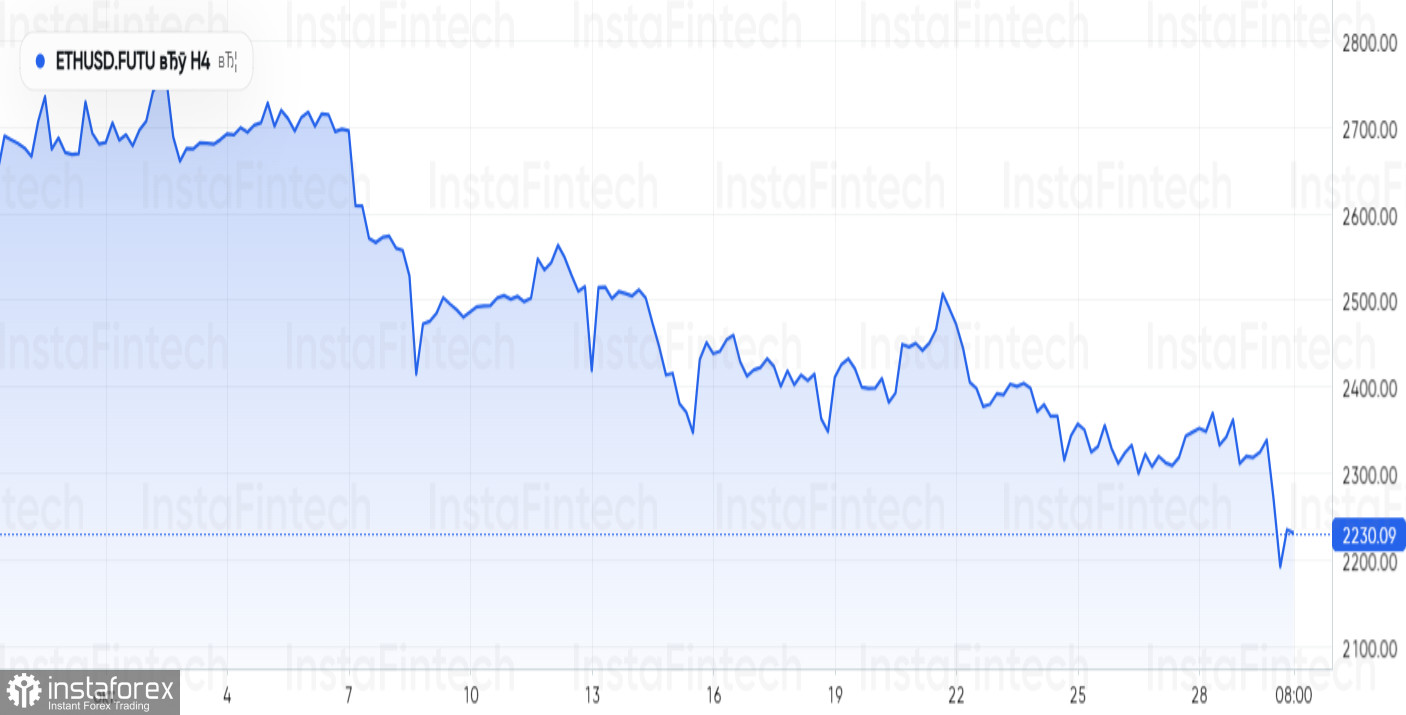
Largest Ethereum holders, known as whales, are urgently dumping assets. In just a few days they cut positions by a substantial 160,000 ETH, removing more than $348m from the market. At the same time exchanges accepted roughly 100,000 coins. These alarming figures are reported by analytics platform Santiment and cited by 24/7 Wall St.
This mass sell-off has been a severe blow to the second-largest crypto, which was already in bad shape. In October Ether fell 12.4%, and year-to-date investors have already suffered a 20.8% decline.
Against that backdrop crypto analyst Ali Martinez sketches an especially bleak scenario. He says that if Ether cannot hold above $2,385 and exchange reserves remain high, a drop to $2,000 will become only a matter of time.
Thursday, October 29, was a cold shower for Intel bulls. Shares plunged more than 20% in pre-market trading. Only the day before, the company had reported strong third-quarter results, and its stock was up roughly 150% YTD.
Instead of the anticipated triumph, investors got a bitter disappointment. Analysts polled by LSEG had hoped for revenue above $18bn (Bloomberg), but Intel guided to Q4 revenue of $15–16bn and non-GAAP EPS of only $0.25. The market had priced $0.43 EPS and roughly $17.07 billion in revenue. Adjusted gross margin is expected to be just 38%.
Instead of the expected triumph, investors were bitterly disappointed. Analysts polled by LSEG—some of whom had hoped for revenue above $18bn (Bloomberg)—were met with harsh numbers.
Intel now expects Q4 revenue of $15–16bn and non-GAAP EPS of just $0.25. By comparison, the market had modelled $0.43 per share and roughly $17.07bn in revenue. Adjusted gross margin is now forecast at about 38%.
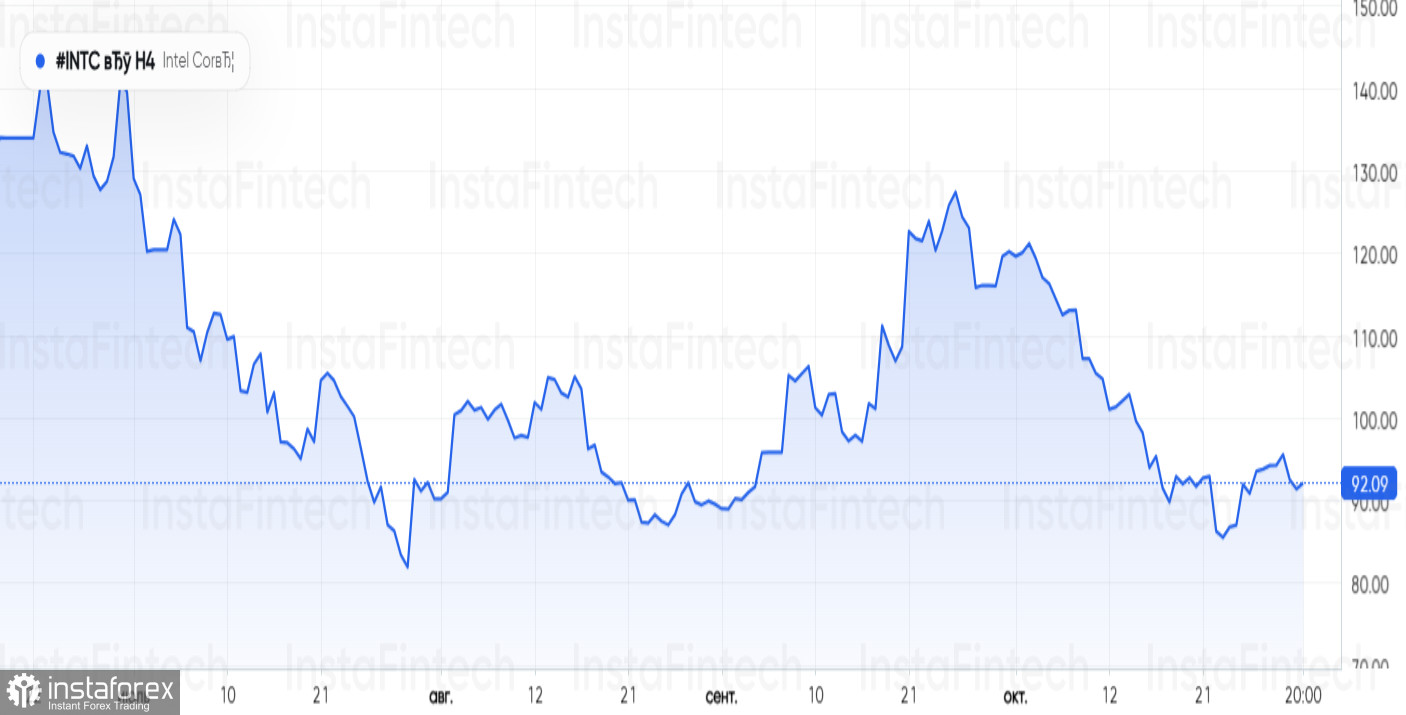
What went wrong? The industry's long-running PC slump is the main scourge. CFO David Zinsner did not sugarcoat it: "We expect the PC decline to continue at least into mid-next year."
A memory shortage has driven component prices higher and cooled laptop and desktop demand. Intel now expects the PC market to fall about 12% this year, and another 10% in 2027.
But macro was not the only problem. In October a blast at Intel's Kiryat Gat fab (Israel) disrupted production. The plant, which manufactures data center chips on Intel 10 process nodes, was shut for two weeks.
Zinsner said the incident will cost roughly $300m of Q4 revenue and cut gross margin by 200 basis points. He added that similar financial pain will hit in Q1 next year while engineers assess which damaged wafers can be salvaged.
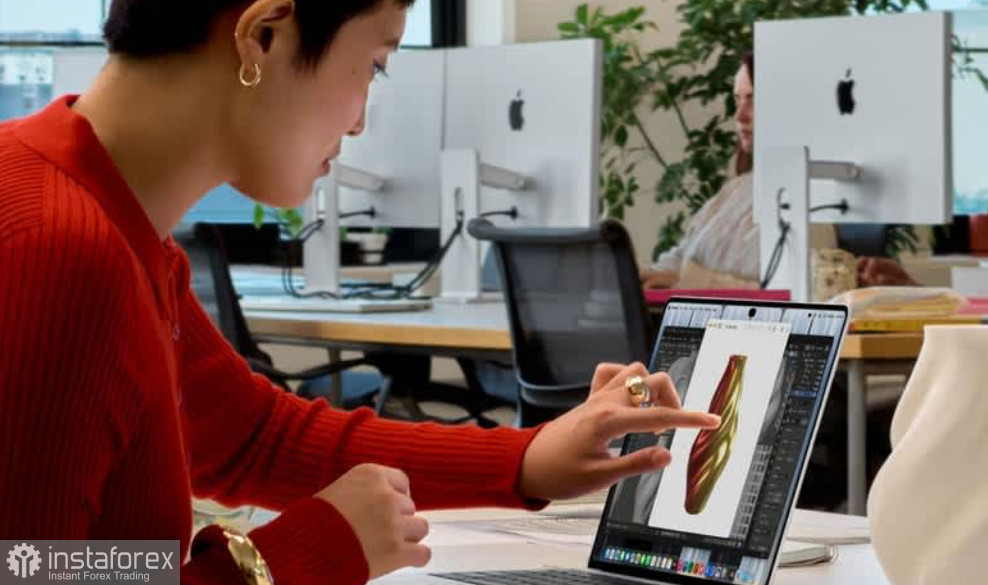
You would expect a revolutionary product to excite investors, yet the market greeted Apple's loud new product with skepticism. On October 28, Apple shares slipped after the announcement of the first Mac with a touchscreen. Benzinga notes the stock pulled back slightly from its all-time high on October 23.
The headline device was a MacBook Pro with a ProLED XDR display. The event marked a real break with decades of precedent: Apple had long resisted adding touch to its laptops. "Yes, we're adding touch to Mac," CEO John Ternus said, surprising journalists and analysts.
The new models use M5 Pro and M5 Max chips and a leading-edge tandem OLED display; they ship Friday, November 6. But the price is steep: the 14-inch starts at $2,899 and the 16-inch at $3,399. CNBC's testers were critical, calling the touchscreen "entirely optional" and unlikely to change most users' habits.
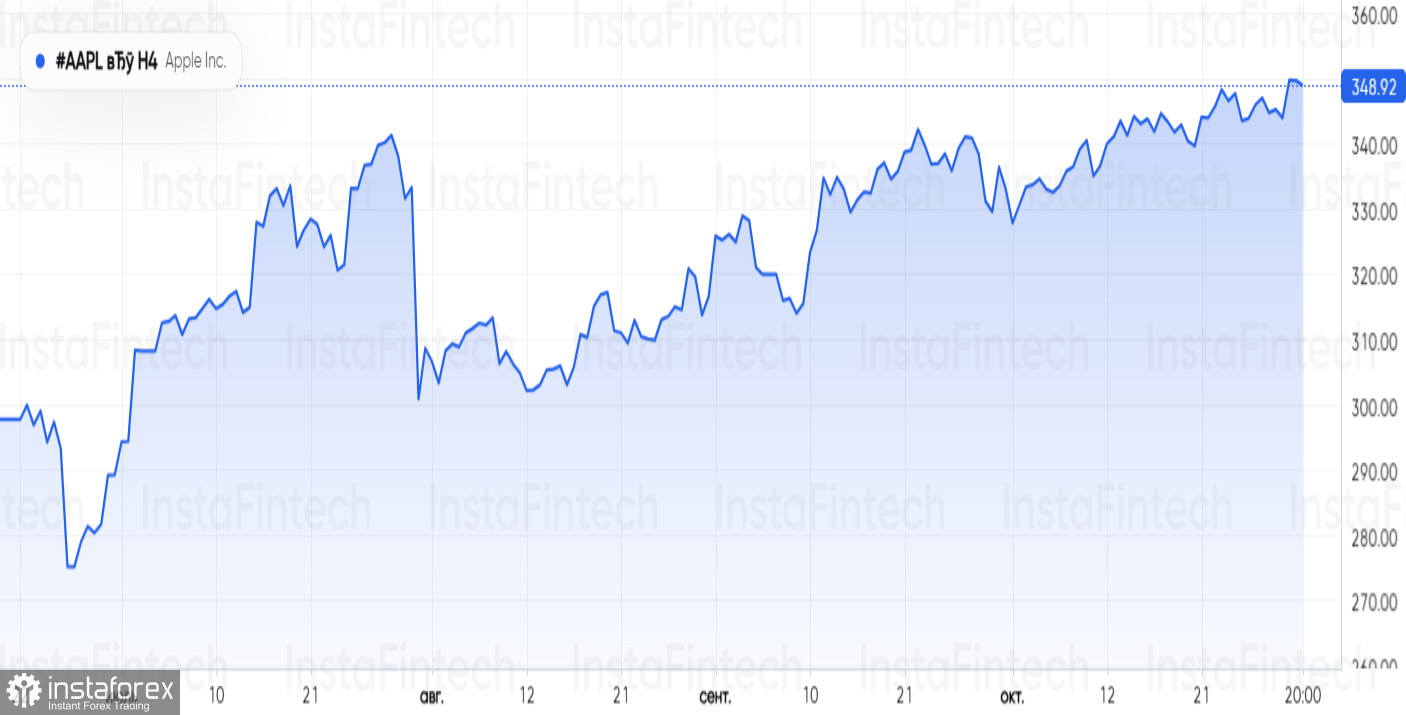
Investor euphoria quickly gave way to cold calculation. Now all eyes are on Apple's Q4 financial report, due after the close on Monday, November 2. Analysts wonder whether the company can sustain its premium valuation and how severely rising memory chip prices will hit margins.
Should investors panic about the local pullback? Unlikely. The drop was mostly cosmetic. Apple shares remain about 28% higher than a year ago, and the technical picture gives no reason to doubt that the long-term uptrend has broken. Bulls remain in control, and the market is merely taking a small pause ahead of major news.
Want to trade such market moves and profit from tech news? Apple shares and other top instruments are available on the InstaTrade platform. Open an account now, download the mobile app, and stay connected to global financial markets.


